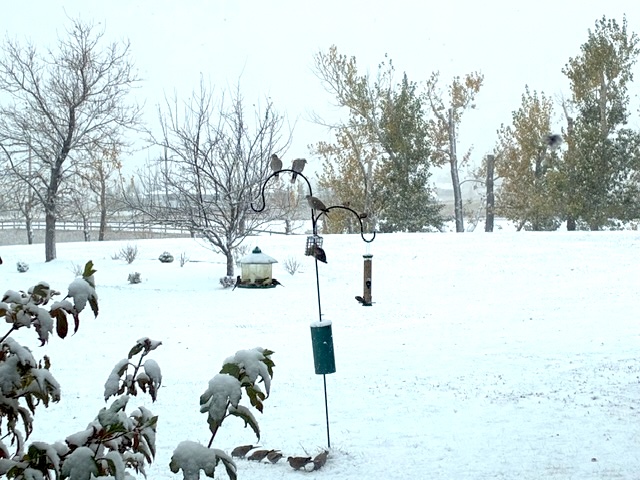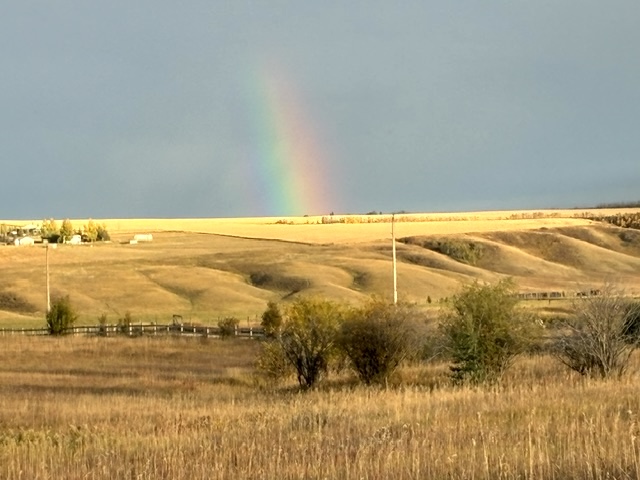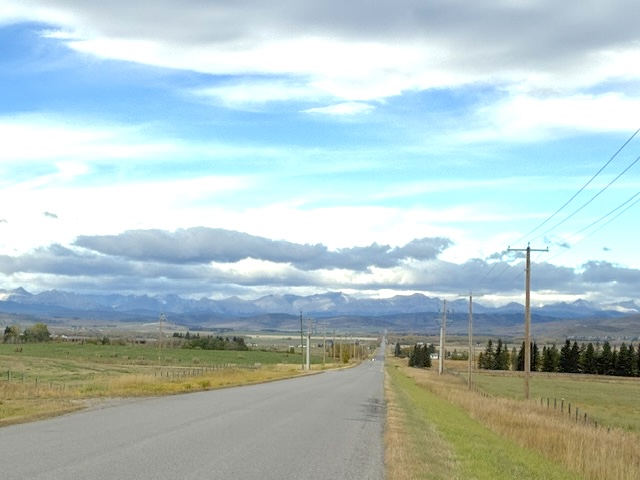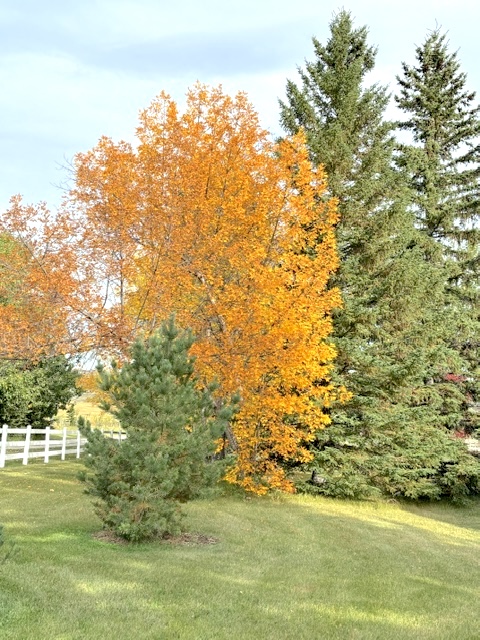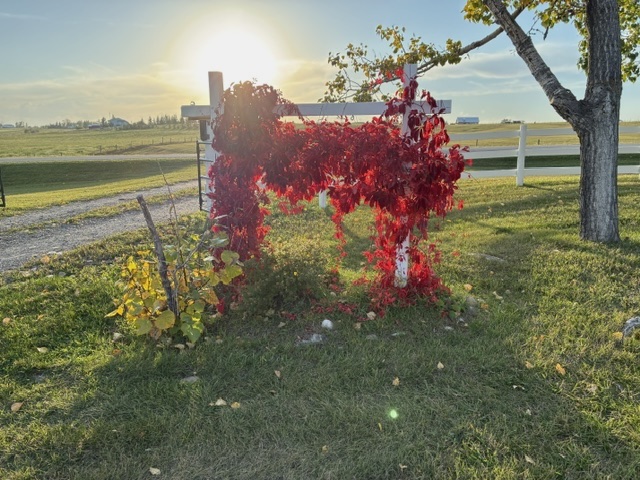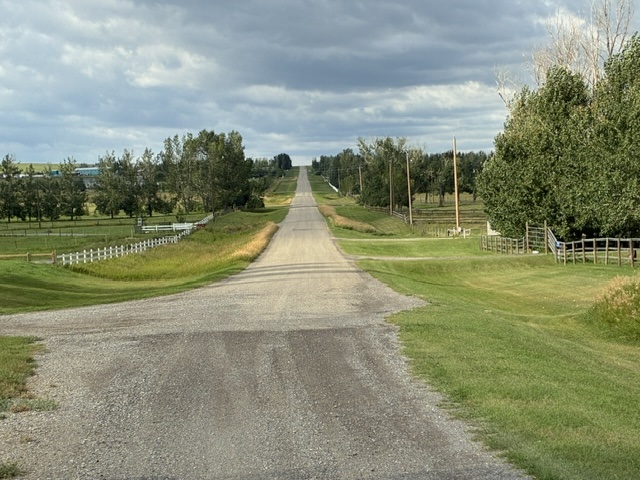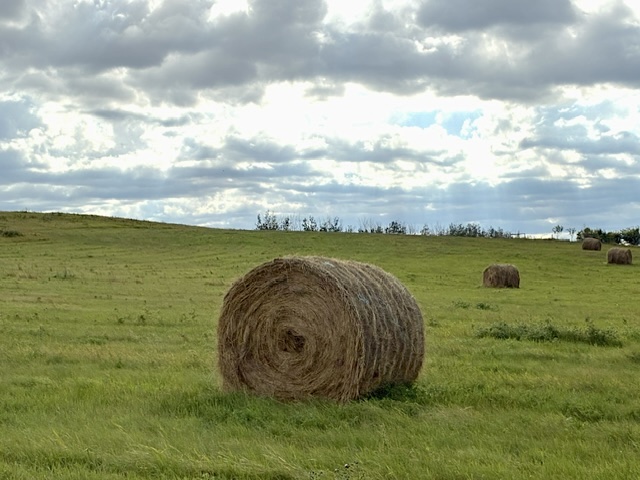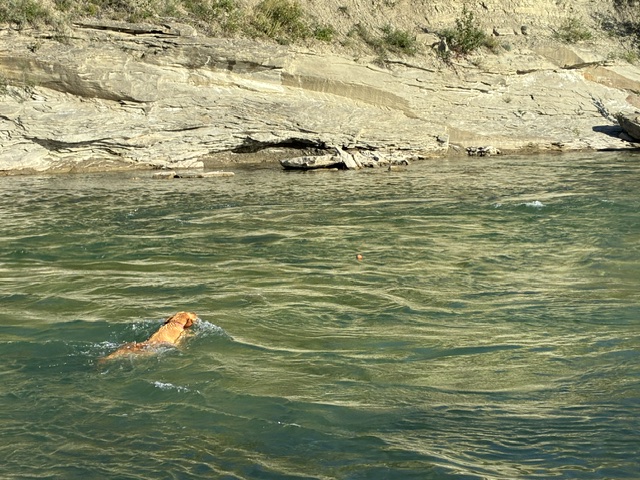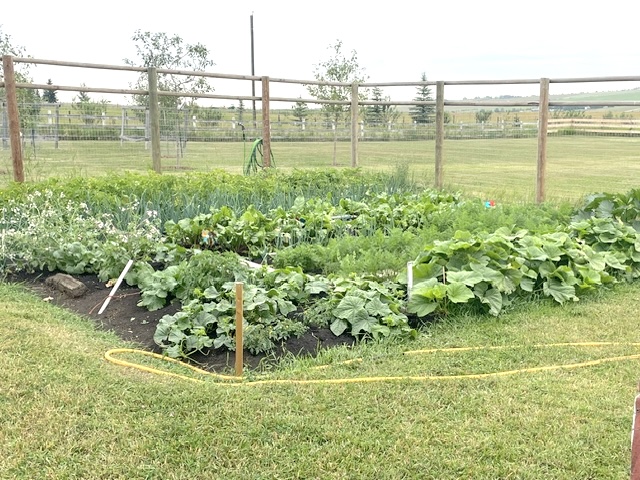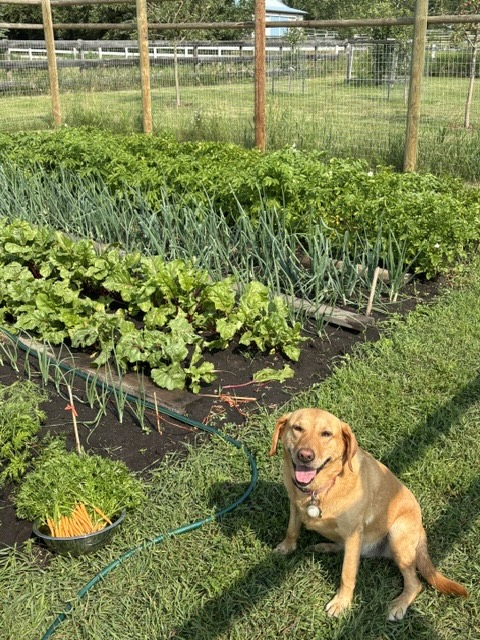
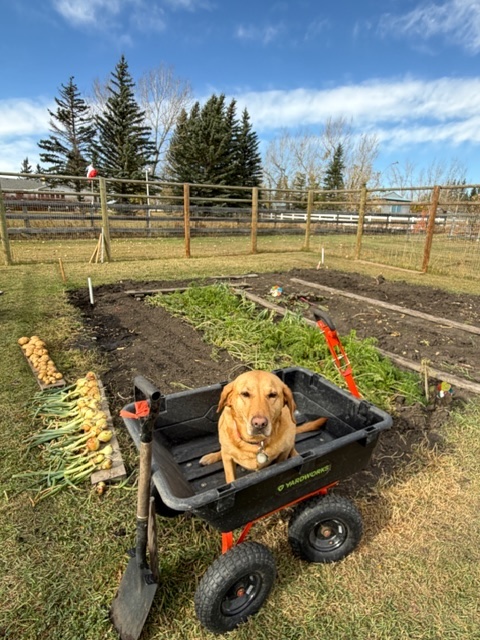
Hi Bookworms. How’s it been going? October is passing by quickly, so we need to get on it before it’s gone. Over the weekend our dog Willow was helping my husband close down the vegetable patch and they were goofing around. Onions, potatoes, and carrots were being pulled, though some carrots will stick around for a while longer. It was warm-ish with high winds, though we’ve had some frosty nights (and the snow last weekend) but they all survived well under tarps.
We had an abundance of vegetables this season, including the onions and carrots, cucumbers, and butternut squash and nearly 20 plus jars of beets, lol. My husband took a bunch to the food bank in town. There’s only so much you can eat before you turn into a rabbit.
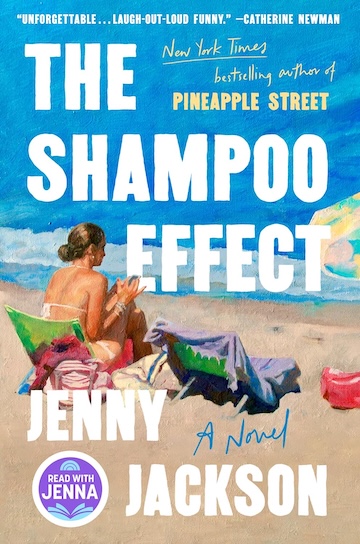
Meanwhile I was commuting to the city to check out author talks at the book festival Wordfest. It was excellent and I enjoyed hearing from such authors as Tayari Jones (Kin), Jenny Jackson (The Shampoo Effect), Patrick deWitt (Dodge City) and Larissa Phan (Discipline) among others. On Sunday it wrapped up and I got to talk to poet Rachel Eliza Griffiths, who has a memoir out The Flower Bearers and did the cinematography for Knife, the documentary of her husband Salman Rushdie’s book about being attacked. That is in cinemas now and should be streaming later. I’m sure it is pretty intense, though apparently it mixes in his writing career as well as the attack.
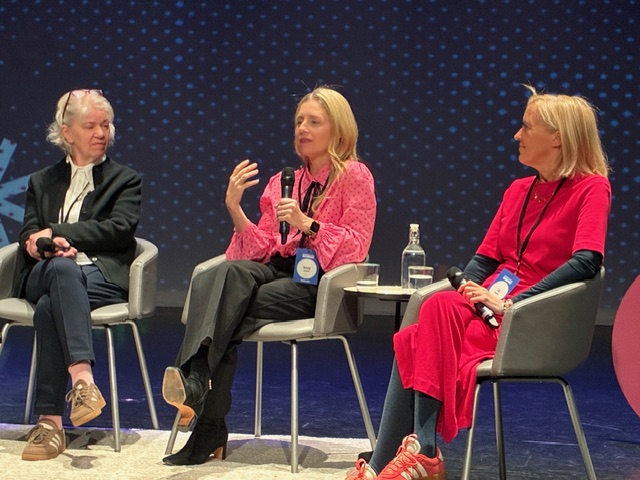
In the photo above, from left to right, you can see debut author Patricia Finn (The Golden Boy), Jenny Jackson (The Shampoo Effect) and Irish author Liz Nugent (The Truth About Ruby Cooper) who were on a panel answering a variety questions. Patricia Finn, who gave insightful, funny answers, had her novel come out this past March at age 71, so it’s never too late. And Jenny Jackson is a full-time editor at Knopf, while an author now of two novels, and a mother to two young kids, which is very mind-boggling how she does it all. I think her novel The Shampoo Effect is in early development stage to be a Netflix series though it might be a few years yet. Has anyone read Liz Nugent? Her books seem pretty dark, crime, psychological thrillers and are pretty popular.
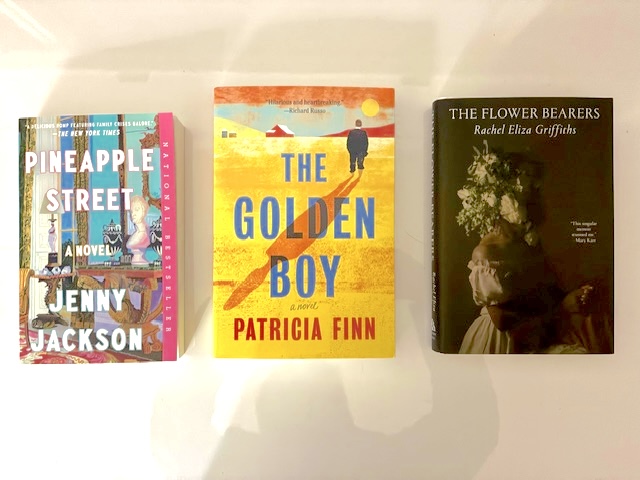
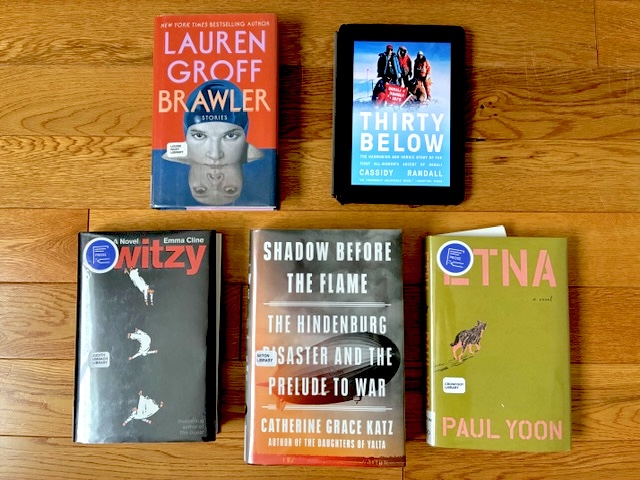
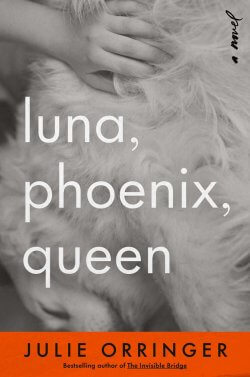
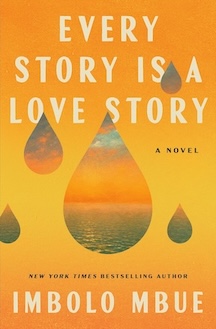
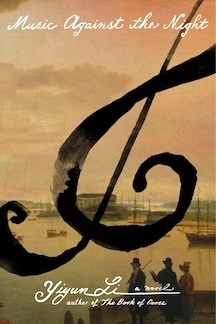
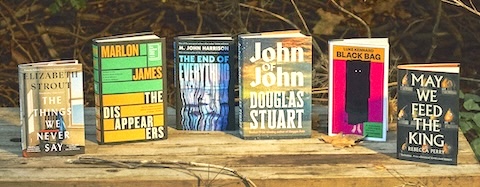
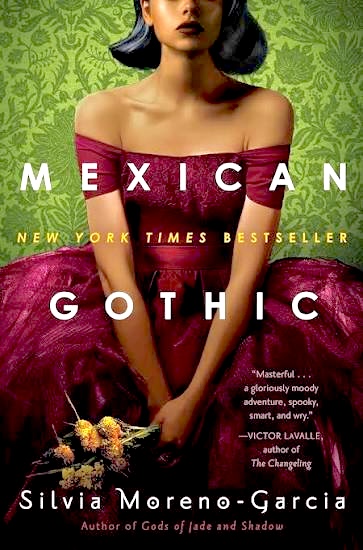
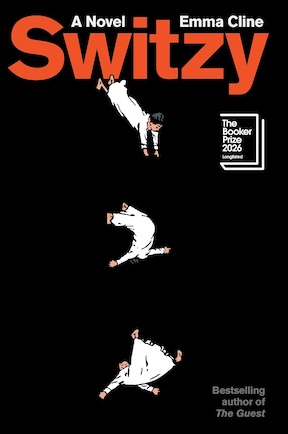
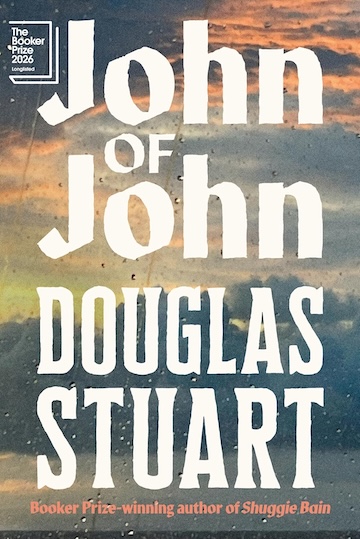
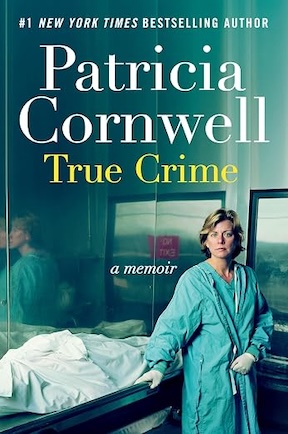
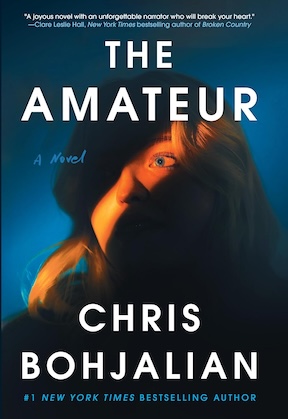
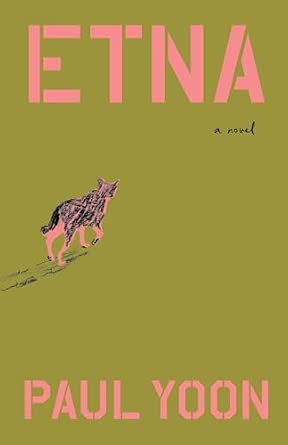
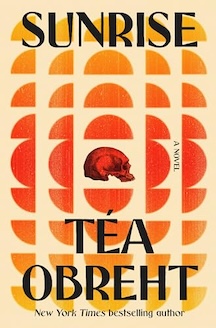
All and all it was a great book festival. Beforehand I had read Tayari Jones’s novel Kin, Jenny Jackson’s Shampoo Effect, and Rushdie’s Knife, but I picked up these three other books (above) and had them personalized and signed by the authors, yay. There were a couple events I missed that I had wanted to see … which included authors Jackie Morris (The Book of Birds) and Bonnie Garmus (Peck & Peck), so I will have to get to those another time.
And now I’ll leave you with a couple reviews of what I finished lately.
Thirty Below: The Harrowing and Heroic Story of the First All-Women’s Ascent of Denali by Cassidy Randall / Abrams / 288 pages / 2025
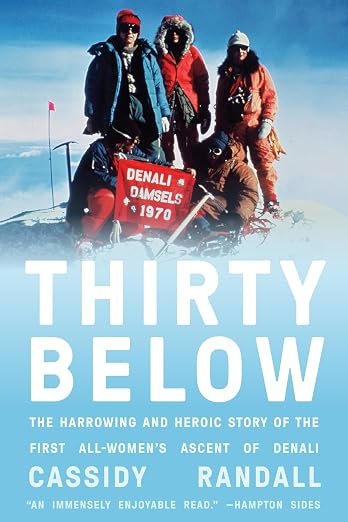
3.75 stars. This nonfiction book, which was a buddy read with Tina at Turn the Page, is about the first all women’s team to climb Mount Denali in Alaska (then know as Mount McKinley) in 1970. The mountain, the highest in North America at 20,310 feet, is notoriously dangerous to climb, and seven male climbers died on it in 1967 when a sub-Arctic storm hit while they were descending from the summit. Grace Hoeman, a doctor, was on the mountain that day with another expedition, but she had to turn back due to altitude sickness. Good thing she was not on the Wilcox expedition, which turned into the deadliest climbing disaster in North American history.
But just a few years later, Grace would lead an all-women’s climbing team to attempt Denali. There were six women in all, 4 Americans, 1 Australian and 1 New Zealander. How they met up and joined as a team was all quite by happenstance and most didn’t know one another till months before the climb. They were pioneer women climbers from various places, who all faced hurdles, the book makes clear. Some were economical challenges, some professional ones, some personal, and all dealt with the sexism of the day, which basically suggested women shouldn’t or couldn’t climb mountains.
The first half of the book describes the lives of the six women and who they were and how they got into climbing. It also describes the world in 1970, especially climbing, as being very limited for women. The sexism of the day was rampant in all sectors of society, and these women in the end wanted to prove that women could scale the peak on their own.
The biographies of the women near the start made the book sort of slow, but once they start climbing the mountain in the book’s second half, it’s hard to put down. The six get flown to the mountain and begin their climb, often being roped together in threes. It’s long days as they make various camps at various altitudes and transport their gear and food, weighing them down. There’s little oxygen at such heights, and not enough sleep. Later an incident occurs high on the mountain that puts them all in jeopardy. Whoa, it turns into a nail biter.
This book brings it all together: how the team worked together and also fought at times among one another. It was life and death up there, and each performed differently. It gives insightful perspectives on how they managed and what they accomplished. I was awed by their pioneering on the mountain and also by what many of them did later in life in the fields of science, medicine, and education, which is revealed in the book’s epilogue. In various ways, they shattered the sexist norms of the times.
It’s not a long book and I think it would make a good read for Nonfiction November.
The Sunflower Boys by Sam Wachman / Harper / 347 pages / 2025
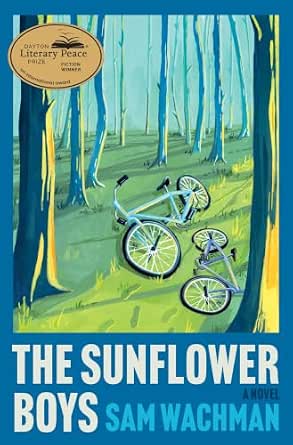
3.75 stars. This debut novel, which was written by a talented 25-year-old author, ended up winning the Dayton Literary Peace Prize for Fiction. It got much praise when it came out in 2025 and I wanted to get to it too since it’s set in Ukraine and is about the war there.
The novel’s first half starts simple enough and is narrated by Artem, a 12-year-old boy, who lives with his mother and younger brother Yuri in Chernihiv, Ukraine. Their father is in the U.S. making money to send back to them and hoping to get his green card. Schoolboy Artem is good at drawing and likes to watch horror movies with his best friend Viktor, whom he secretly has a crush on.
It feels like a regular coming-of-age story about a kid and his family … maybe coming to terms with his sexual orientation and his father who is far away. I began to feel safe since the whole first half goes by fairly innocuously. But later in the book’s second half on a family trip to visit their grandfather in the country … as the war breaks out in February 2022 … their lives all change in a shattering moment. And it’s a scary trek they must make to try to get back.
The book turns into a war novel that’s quite a hellish landscape for Artem who is trying to protect his younger brother and survive. Whoa, the grit, thirst and hunger is everywhere and the destruction is close at hand. It’s incredible to think this young author with Ukrainian roots, wrote this in Massachusetts. Previously he had taught English in Ukraine, but surely the story feels quite immediate and dire.
Maybe the novel goes on a bit too long, but the story reveals much about kids’ lives caught up in war and what happens to them. I thought it was well done, and I’m still worrying about the boys in the story … as well as the people in Ukraine. You can’t turn your back on them now, they need us more than ever. It seems young author Sam Wachman has a promising career of writing in the future.
That’s all for now. Do you know these books — what did you think?
Later this week, I’ll be going to the Bay Area to visit my sister and brother-in-law so I won’t be around this coming weekend. I’ll post when I get back. Cheers and happy reading.