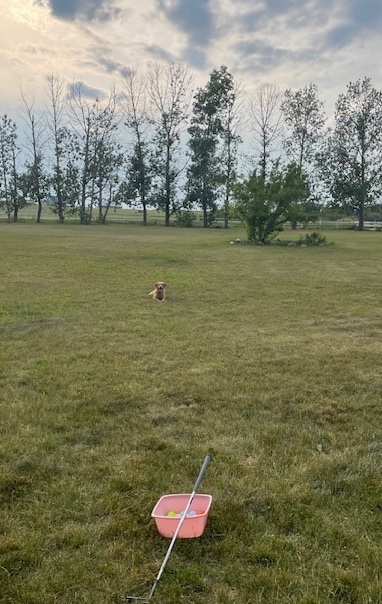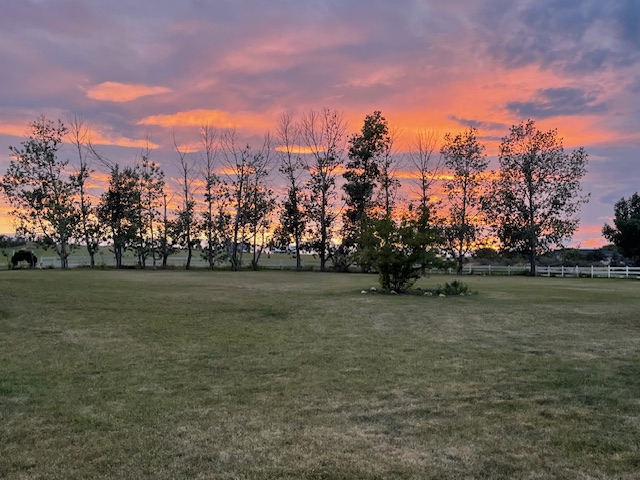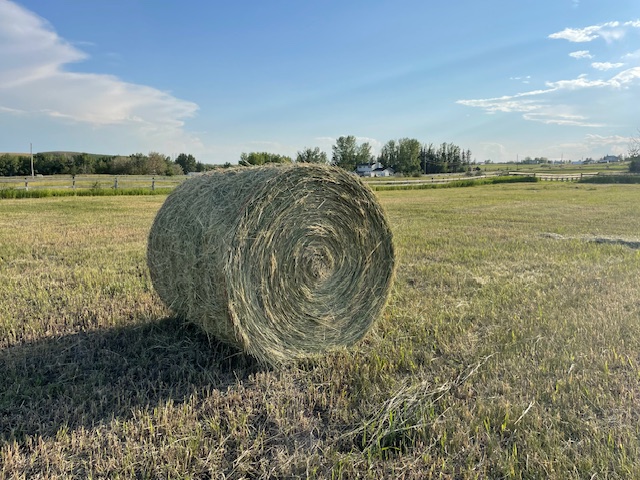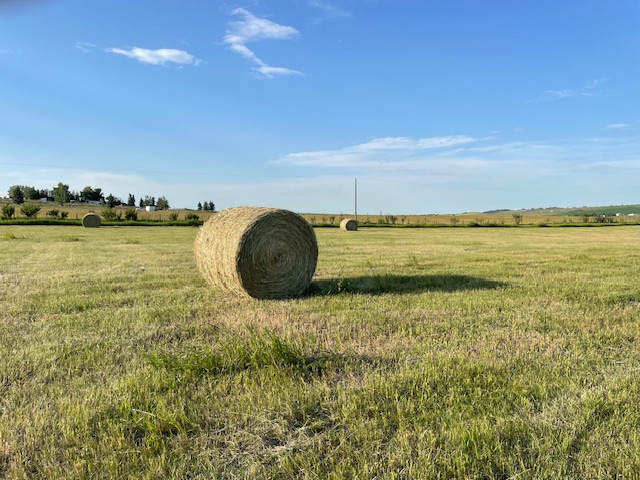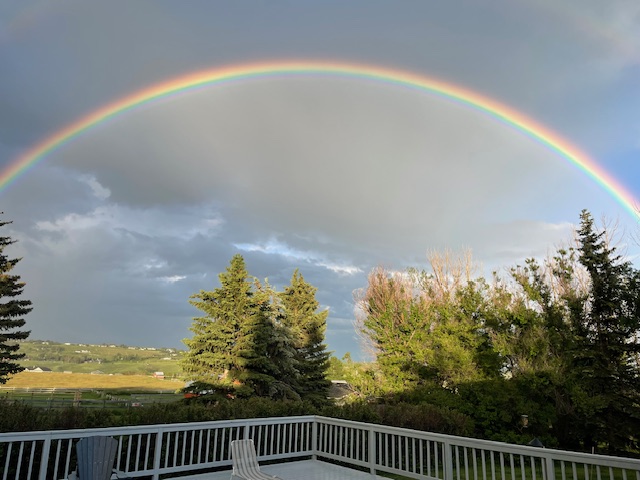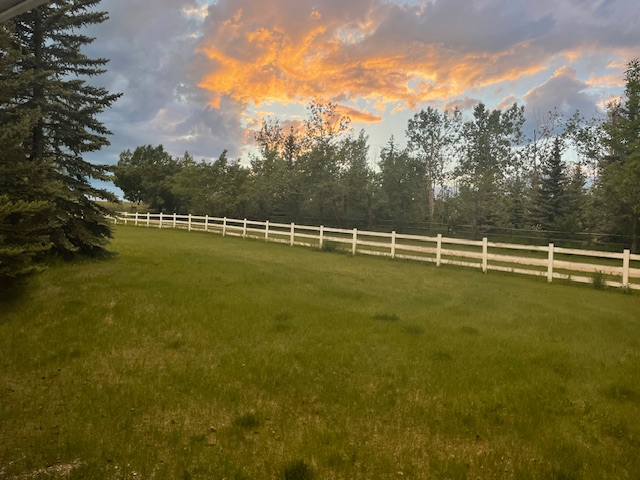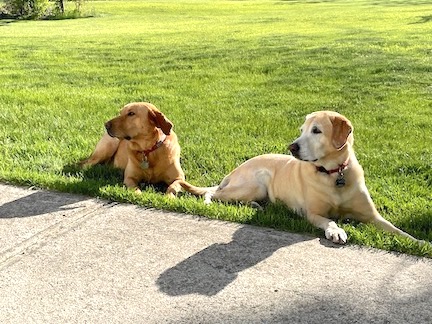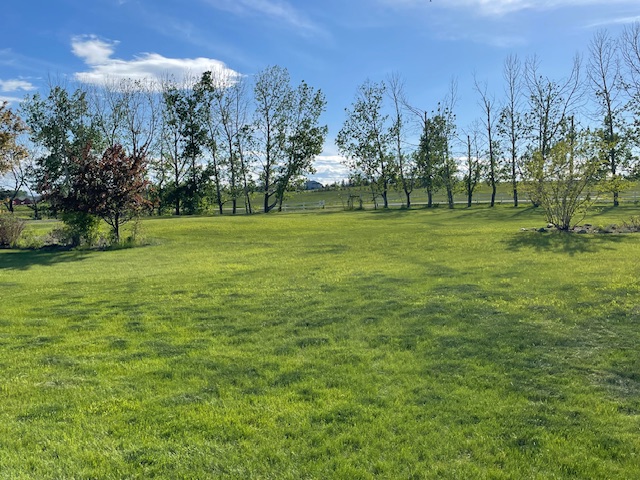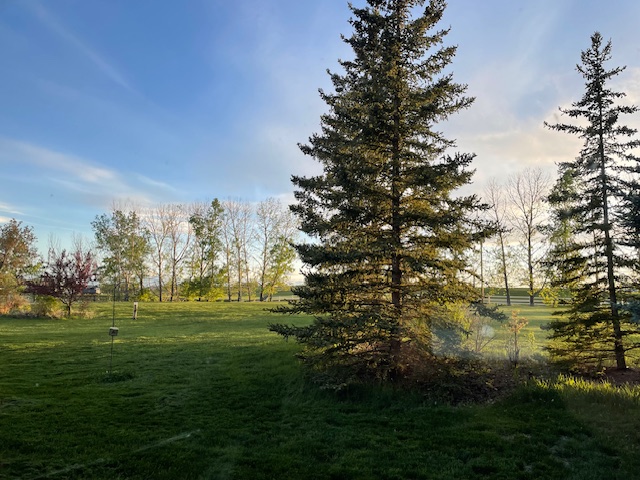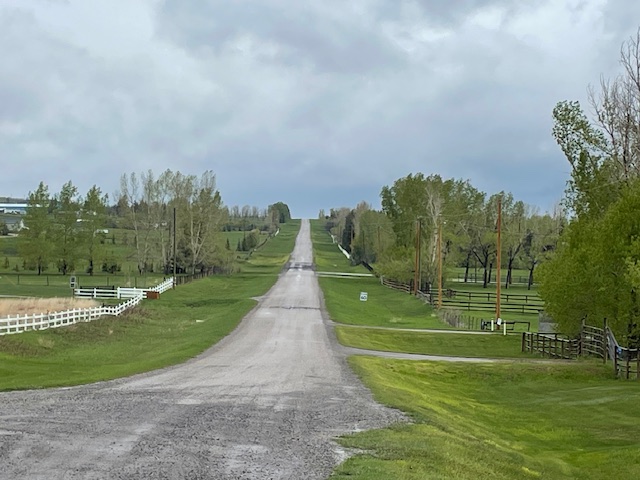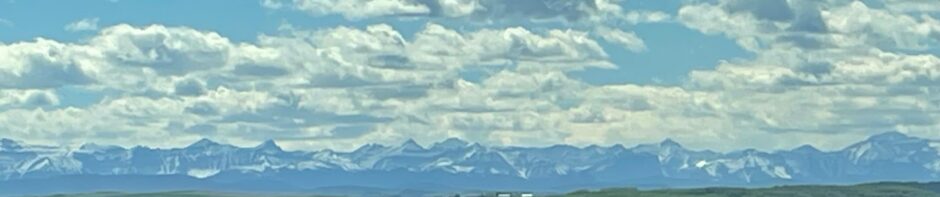
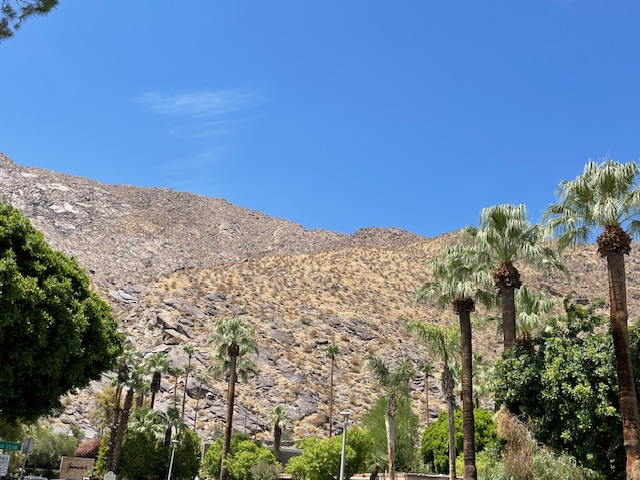
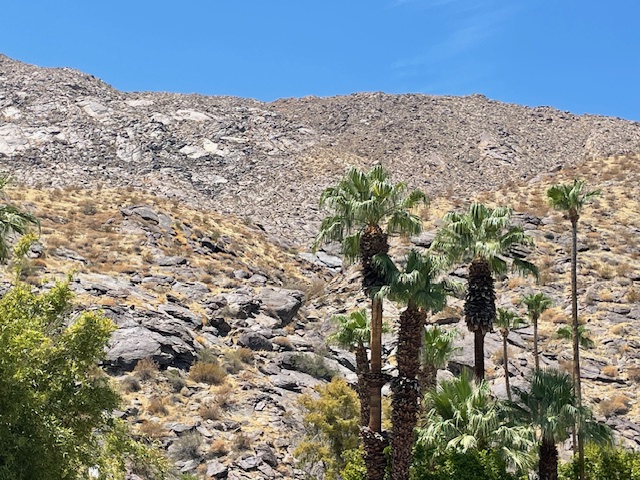
Well it seems our summer days are dwindling quickly. I made it to SoCal on Friday for a visit with my Dad and came through Palm Springs airport. You might recognize the lovely San Jacinto Mountains. I was having lunch with a friend nearby where I took these photos. It’s been pretty toasty and is expected to be 114+ degrees in the desert this week. Luckily we’re about 45 minutes west of Palm Springs, so we’re aiming for only 100, lol. I’ve been doing my bike riding and activities in the early morning, and the good news is we’re headed to the beach for a couple days where it will be cooler and I’ll take a dip in the ocean, woohoo. My brother in Pasadena will meet us there.
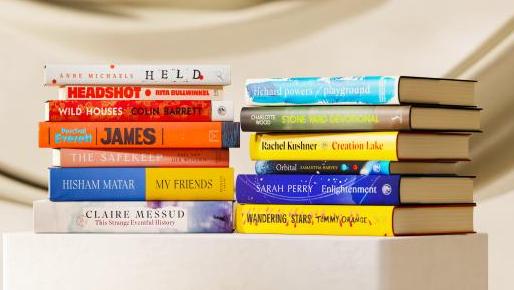
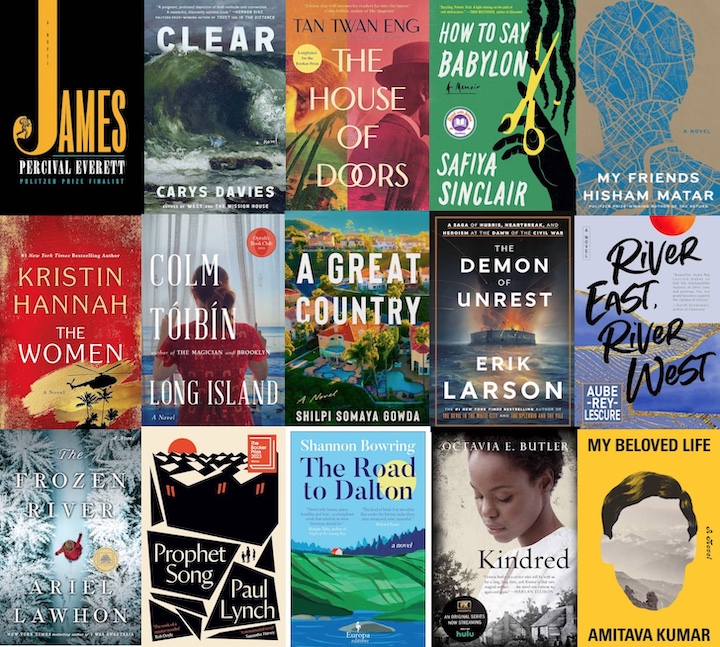
In book news, I’ve noticed that fall book lists are starting to roll out. As usual, there’s quite an array of top books coming out over the next few months. It’s a bit exciting, but I haven’t really looked just yet, since the truth is I’m still working on my summer list. We still have some time left, and I have a few going this week. I’m midway into a hardback copy of Percival Everett’s novel James which I’m quite enjoying. I’m glad I read Mark Twain’s Adventures of Huckleberry Finn in the spring since it follows it pretty closely. I also have a print copy of Hisham Matar’s novel My Friends and the audio of Malaysian author Tan Twan Eng’s novel The House of Doors, which I’m liking a lot too. He seems a talent and I must read his two other novels sometime in the future.
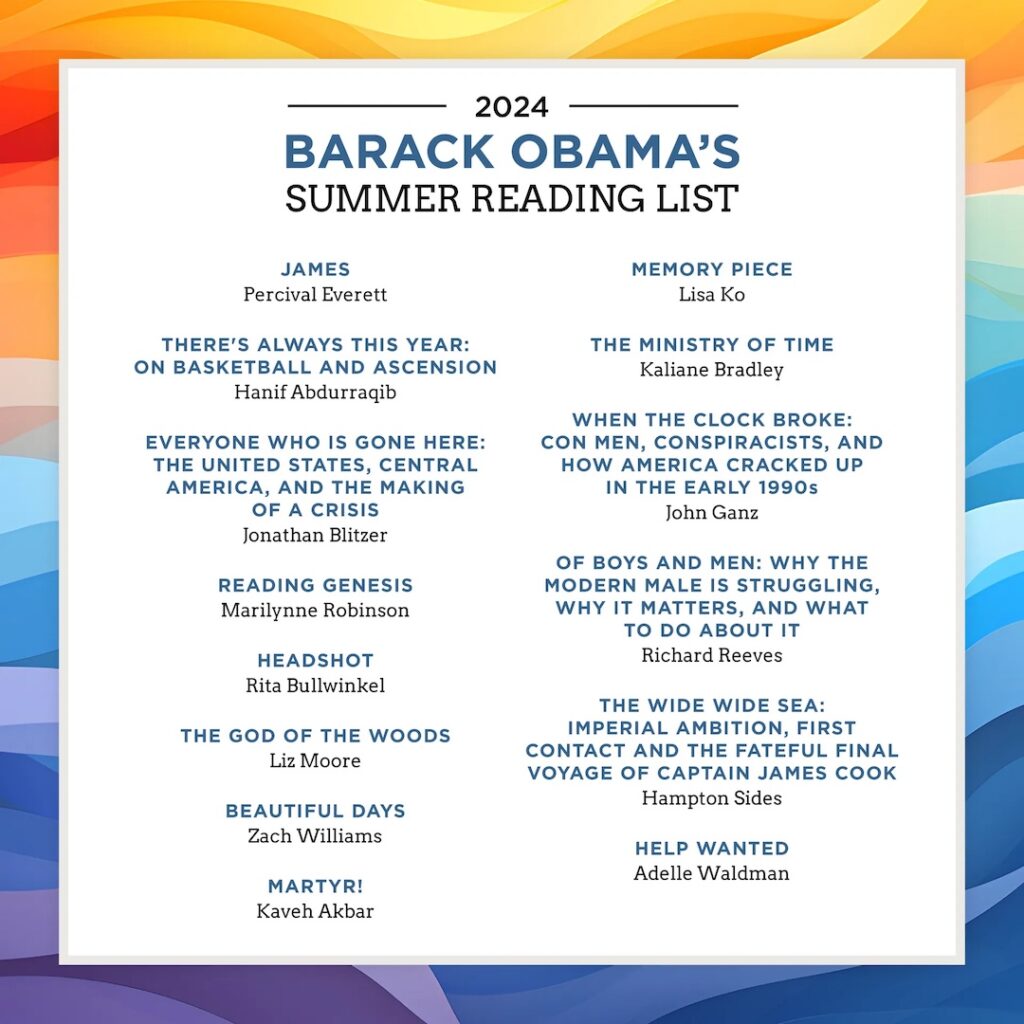
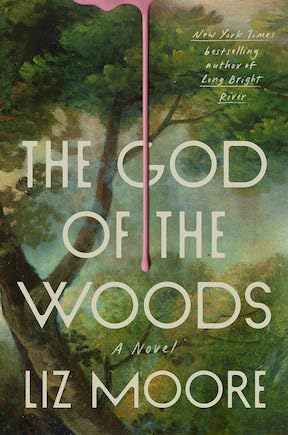
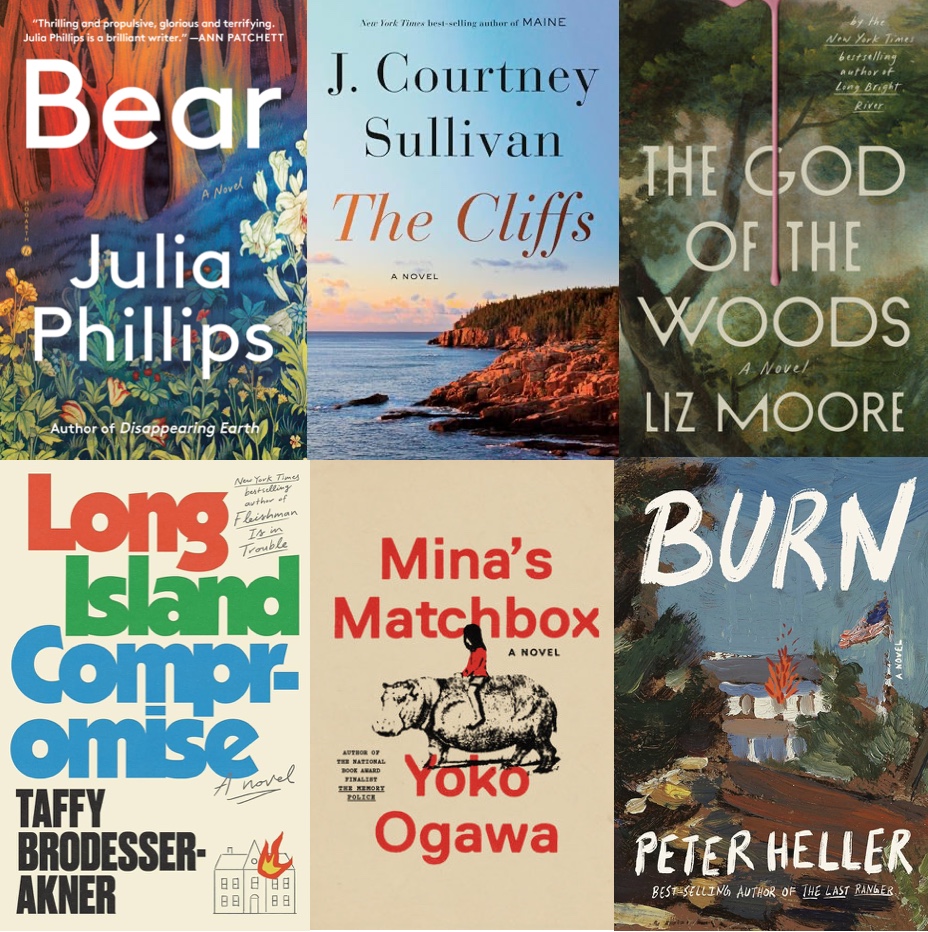
Also what did you think of Obama’s list of summer reads, which he recently put out? Have you read any of these? I’ve read two: Wide Wide Sea and Help Wanted and I’m reading James now. I’m looking forward to Liz Moore’s novel The God of the Woods. And I’ll probably read Martyr sometime. Obama’s got a pretty good list but there’s always room for others, right? Is there anything that surprises you? Hmm.
So there you have it. And now I’ll leave you with a review of what I finished lately.
A Great Country by Shilpi Somaya Gowda / Mariner Books / 256 pages / 2024
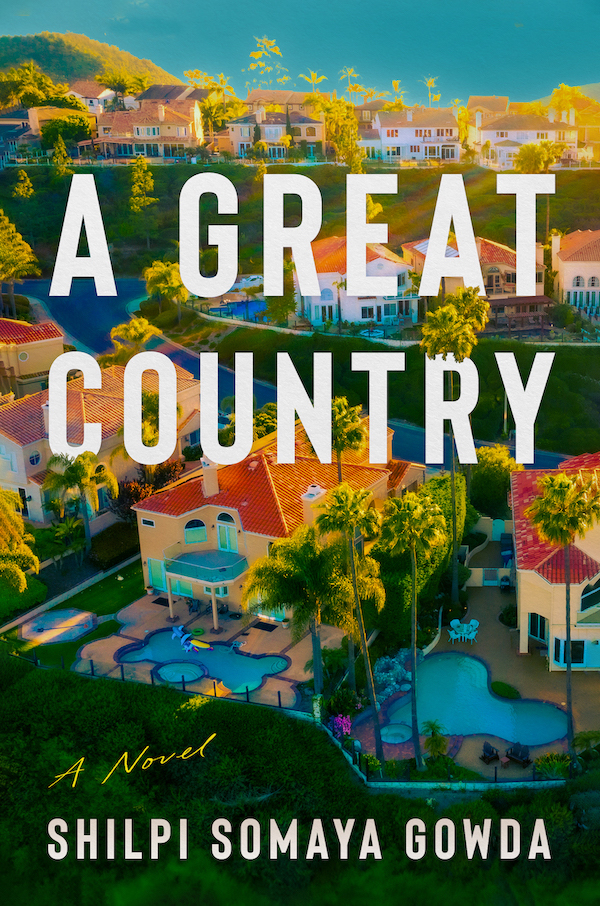
3.75 stars. The life of an immigrant Indian family is rocked after the 12-year-old son is arrested for flying a drone near Orange County Airport. The kid Ajay, who’s on the autistic spectrum, is pretty clueless what all the fuss is about but he tries to evade police and they tackle and book him thinking he was trying to do something terrorist-related.
The parents had just moved the family (of their kids Ajay, Maya, and Deepa) out of their middle-class Irvine, Calif. neighborhood to a loftier area called Pacific Hills (I thought of it as Laguna Niguel) and all are adjusting to their new neighborhood. But then the media gets a hold of Ajay’s arrest, and protestors erupt believing the police are guilty of racial profiling and abuse of power for roughing him up. Will his case move forward? And will his family be able to handle what’s happening?
The story, which I listened to on audio, at first reminded me slightly of Tom Wolfe’s Bonfire of the Vanities in the premise’s setup. Granted that was long time ago and I don’t remember it as well now. But Gowda’s storytelling is quite engaging and fast-paced. The three kids and parents all have their views and different backstories … each having some trouble going on: Deepa is a socially conscious teen who gets caught up in her friend Pacho’s undocumented family’s plight; and Maya is caught up detrimentally in trying to gain a rich boy’s attention. The parents don’t really realize all the things going on with their kids until it snowballs and they fear losing all what they worked decades for.
The author raises some good issues — exploring the differences in our society, the various cultures, and how we exist together — in an engaging plot. My only drawback is that it was a bit heavy-handed at times and not too subtle. It could be on purpose though. There’s also a couple coincidences in the plot that make it a bit of a stretch and the resolution is quite tidy. But still it’s also well done at getting into the heads of the various characters and moves quickly and was pretty enjoyable. I was drawn to it since it’s set in Orange County California. I will watch to see what the author puts out next.
That’s all for now. I hope you enjoy the last few weeks of summer. Happy reading.
Have you read any of these books — and if so, what did you think?