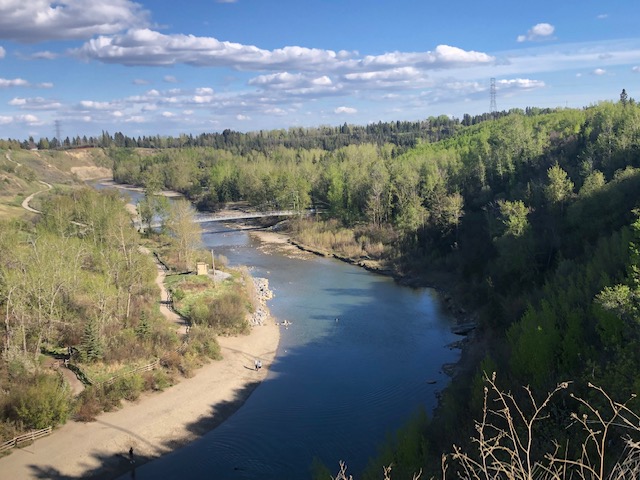
Happy Memorial Day weekend. Woohoo, feels like the start of summer. It’s good to be back on the blog. We had our May long weekend last weekend, and I was busy playing in a tennis doubles tournament. We lost in the finals, but it was fun; my partner from Vancouver and I enjoyed playing. And now it feels good that June is nearly here. It’s one of those lovely times of year when we can open up the windows and be neither too cold or hot. Though it’s been pretty dry and windy so we could use some rain so we don’t turn into a dustbowl too early. I planted our first tomato and zucchini plants along our back fence, and I have much more gardening to do.
Next weekend I’ll put out a Preview post of notable new June releases and then perhaps the following week my pick of summer reads. Can you believe it’s already that time of year?! We’re about at the halfway point. Do you have any summer trips and plans ahead? We have a week at the end of June to visit back East, but I’ll tell you more about that later. And now I’ll leave you with a couple reviews of what I finished lately.
The Violin Conspiracy by Brendan Slocumb / Anchor /352 pages/ 2022
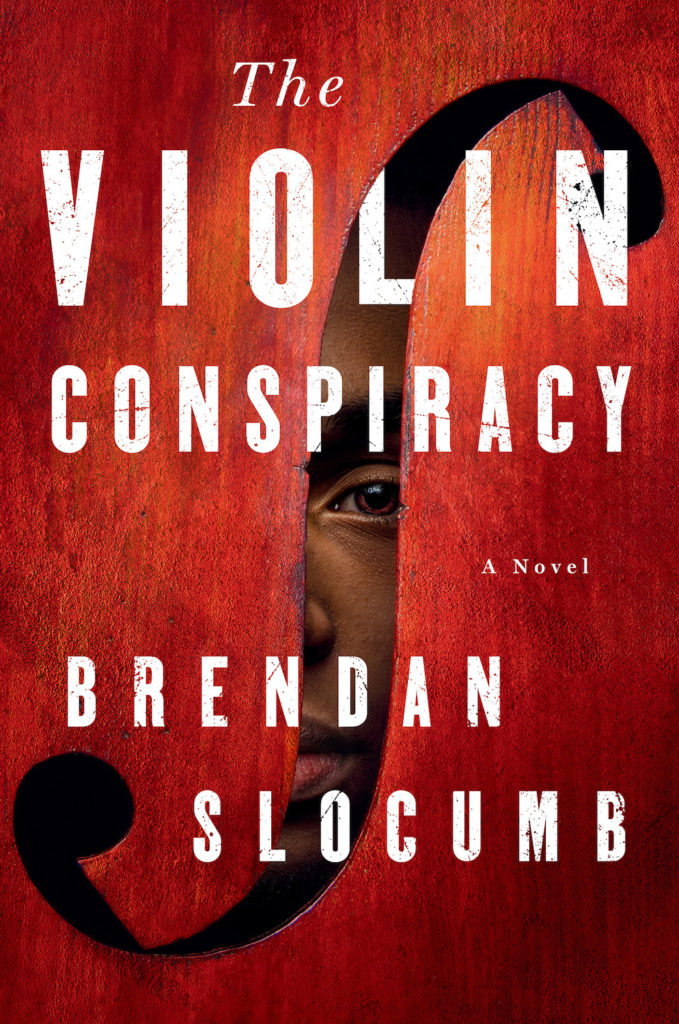
I enjoyed this slow-burn mystery about a very valuable Stradivarius violin that gets stolen. And Ray, the talented violinist who it belongs to, is a winsome protagonist whose story growing up as a Black classical musician in North Carolina is an interesting eye-opener. All the stuff and racism he has to face and go through is never-ending, and yet he perseveres with his skill and love of music.
Ray’s beloved grandmother gave him her grandfather’s violin, which he only finds out later is a valuable instrument, but then he’s sued by his own family for the violin (worth $10 million) as well as the ancestors of his great grandfather’s slave owning master. It gets pretty dicey when they all want Ray’s money and violin, but he loves performing with it and doesn’t plan to sell, especially since his beloved grandmother gave it to him before she died.
Then right as Ray is due to go to Moscow to compete in the world-renown Tchaikovsky Competition his violin is taken from his New York City hotel room and a ransom note of $5 million is left. Will he find out who did it in time? And will he win the competition? You have to stick to the very end to find out what happens.
I enjoyed this mystery and coming-of-age tale, which I listened to on audio read expertly by JD Jackson (my fourth by this actor). Maybe the novel could have been a little trimmed in places, but the background information about Ray’s life is all pretty good. Overall it’s an enjoyable and potent debut from an author whose knowledge of playing in orchestras as a professional violinist made the story seem all the more authentic.
The Daughters of Yalta: The Churchills, Roosevelts, and Harrimans: A Story of Love and War by Catherine Grace Katz / Mariner / 317 pages / 2020
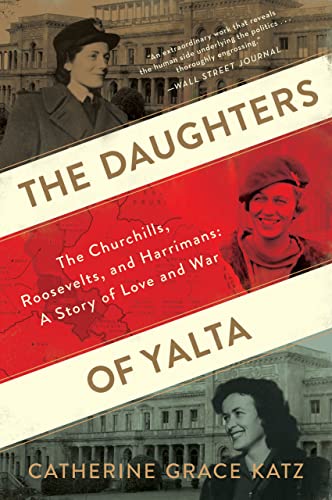
I both read and listened to this nonfiction book. It’s a 5-star read that tells the fascinating true story of the three famous leaders who took their daughters to help them at the Yalta Conference in 1945, towards the end of WWII. Kathleen Harriman (age 27), Sarah Churchill (age 30), and Anna Roosevelt (38, a mother of three) and their Dads are brought vividly to life in this little-known history that impressed me with the women’s contributions at Yalta as well as their devotion to their fathers.
Kathleen had been working with her Ambassador father (Averell Harriman) in Moscow for the 15 months prior to the conference and was sent ahead to the Crimea to help prepare the venue, which had been plundered by the Nazis. Sarah, meanwhile, was a stage actress-turned Royal Air Force officer whose father Prime Minister Winston Churchill relied on for her astute mind; and Anna, once an editor at the Seattle Intelligencer, had become an aide at the White House to her father President Roosevelt, and managed his schedule at the conference while trying to protect his health.
Yalta on the Crimean Peninsula was not an easy conference to get to, especially for the ailing President Roosevelt, who ended up dying two months after the conference ended, but the Big Three Allied leaders (Roosevelt, Churchill, and Stalin) had much to discuss about the end of WWII and how to build a lasting peace. So they journeyed far and wide to get there, with Roosevelt and Churchill stopping first in Malta, and then taking a long flight and car journey to get to the Crimean Peninsula, where the U.S. and British delegations were put up in palaces once used by the czars, while Stalin and the Russians stayed at a villa.
The conference, which took place over a week in early February 1945, seemed to have profound effects on its participants, who were seeking cooperation and trust of one another while facing many obstacles. And the three women were affected by some of the terrible things they’d seen during the war — particularly Sarah Churchill during the Blitz and Kathy Harriman who was sent to witness the mass graves of Polish officers at Katyn Forest in the Soviet Union. While in Crimea, the women took tours around the area and witnessed the war’s devastation to Sevastopol, Yalta, and to starving POW soldiers.
What becomes clear in this account is how the three daughters (all quite young) rose to the occasion in helping their fathers, whom they adored, during this very important time, where so much was a stake. And though the three women never became close friends, they shared this time in history together and it became one of the highlights of their lives.
Katz’s book is a fascinating view — that combines telling about the important issues discussed at Yalta and the various figures and sides there — with the relations of the fathers and daughters and what happens to them once they leave the conference. Unfortunately many of the conference’s commitments and good intentions were fleeting as the Soviets soon expanded into Eastern Europe, and it was criticized for contributing to the Cold War.
I was surprised by the prevalence of divorce, death, and the suicide of loved ones that seemed to touch on the women’s lives. But sadly that wasn’t uncommon to those who experienced WWII. It’s a story that kept me turning the pages to find out what became of Kathy, Sarah, and Anna — remarkable women living through difficult and extraordinary times.
That’s all for now. What about you — have you read these and what did you think?