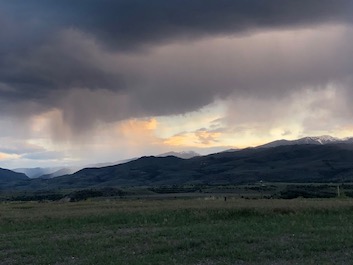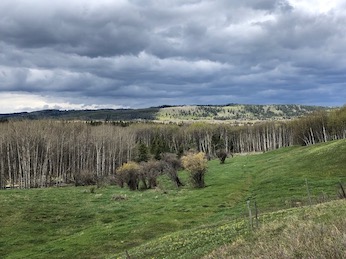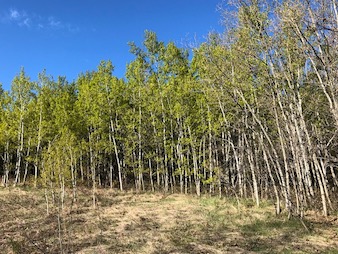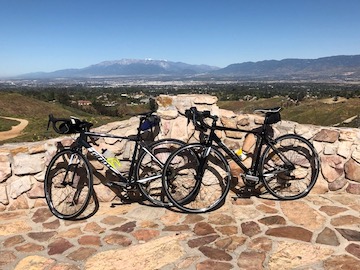
Oh, July has gone by quickly! Next week sometime I’ll be putting together my August preview of new releases, but for now I just wanted to add a few reviews below of what I’ve been reading lately. It’s safe to assume I’m sort of behind, but summer is a busy time. I’m convinced we have our best weather of the year here now and tomorrow my husband and I will head to the mountains for a lovely day of bicycling. It should be exquisite.
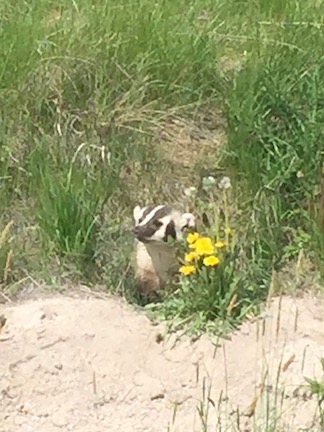
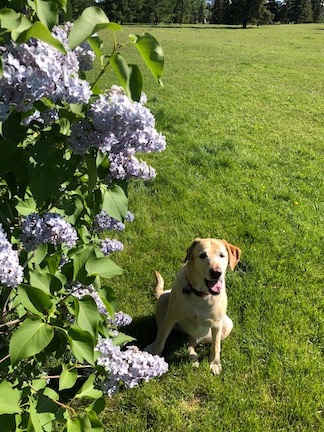
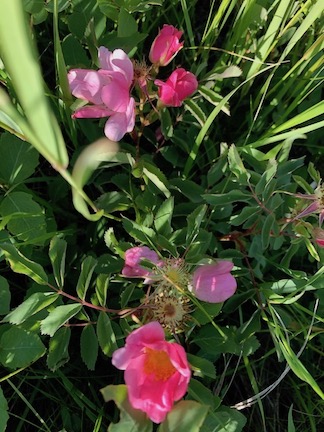
Besides that, it’s house repairs, yard work and various tennis matches and events that I’ve got going. And if you don’t know, our official flower of the province is the wild rose, which I come upon often while walking my dog out on the trails. See its beauty pictured here.
Meanwhile checking in with book news, I see that Delia Owens’s novel “Where the Crawdads Sing” has just surpassed one million print copies sold in 2019, Wow! It’s huge, and the biggest seller in fiction this year, which is good because fiction apparently has been losing sales steadily over the past few years.
Nonfiction has been king during these crazy times. But Crawdads has helped save the day, and hopefully fiction is back! I read and liked “Crawdads” just dandy in 2018, and then apparently in March this year it took off like the wind and has been selling gobsmacks ever since. It’s probably all over the beaches this summer. And it’s definitely selling the most in the South Atlantic, near the coastal marshes, where it takes place. Way to go Crawdads!
The other book news to report is perhaps not as happy. It was announced that Macmillan publisher — and perhaps others to follow — will begin to embargo new Library e-books, making it harder for readers to get new e-book releases in a timely manner from their library. Apparently publishers have been changing the terms of their digital content in libraries in recent months, angering various library administrators. To read more about it see here. It sounds like libraries plan to fight back … surely embargoes violate the access to information. If you already sit on long wait lists for e-books at libraries, beware — it could get worse. And now for a few reviews:
A Prayer for Travelers by Ruchika Tomar / Riverhead / 352 pages / 2019
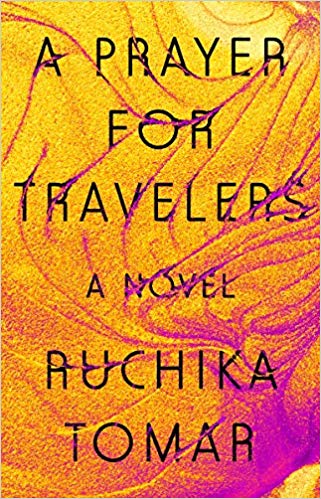
Synopsis: This debut novel is about a bookish loner named Cale, age 19, who’s been raised by her beloved grandfather, Lamb, in a small desert town near the California-Nevada border. She has no other relatives or friends (just two dogs), but as she finishes high school, she becomes close to a charismatic, glamorous girl named Penny, who gets her to work with her at the local diner. They start hanging out and it appears Penny has stuff going on on the side, like selling drugs to truckers and mixing it up with men at casinos to fund her dreams of leaving town. All is under control, until one fateful night, an act of violence shatters their worlds … and the next day Penny is missing. Cale sets off on a mission to find her, employing the town cop too, but meanwhile Cale’s grandfather’s health takes a downward turn, which sets Cale adrift at the same time Penny is missing.
My Thoughts: There was much I liked about this coming-of-age, first person narrative debut, which features a mystery due to the missing friend. Its grittiness and desolate desert setting were tangible, and the writing captured Cale’s home life as well as her friendship with Penny — who is her opposite — as they both try to find some spark in their dead-end town. I could sense lonely Cale’s eagerness for such a friend, and its desert surroundings were relatable to me, growing up in California.
What happens on their fateful night is pretty hair-raising, and I was keen to find out about Penny — and see what would happen to their friendship — but after much searching by Cale — a few parts a bit cryptic to me — the ending sort of fizzled a bit. I was expecting a big denouement but it felt a bit less than that. Still the story piqued my interest and seemed to speak to the processing of traumatic experience by two pretty different female friends in the West. How it went about that was pretty admirable.
The only weird thing was the author’s choice to number the book’s chapters out of order (from 31 to 2 to 5 to 3 to 32 etc.) to represent parts of Cale’s past and present being told. I’m not sure it was that necessary, or needed to be mapped. I alternated pretty seamlessly through Cale’s life fine without going haywire over time and numbers. Despite that quibble, I liked how the author conjured their world and put me in Cale’s shoes.
Normal People by Sally Rooney / Hogarth / 268 pages / 2018
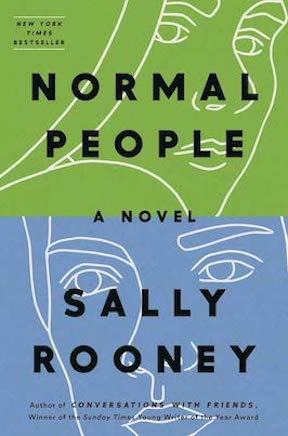
Synopsis: You know what it’s about: a young Irish couple: Marianne and Connell and their relationship through high school and college. They come from different backgrounds: Marianne’s family is wealthy and Connell’s is not; his single mom works for Marianne’s family, which is awkward at best. Marianne is unpopular and nerdy in high school, and he’s popular, and then she is popular in college and he isn’t. Are you paying attention?
Marianne and Connell are never really exclusively girlfriend/boyfriend in a conventional sense but start hooking up and become bonded over time. They seem frustratingly right for each other but through missteps and miscommunication hurt each other time and again, and never seem fully ready to commit.
I liked Rooney’s writing for its observations, adolescent insecurities, and dialogue, but for readers who like a lot of plot or action this story will likely not be for you, nor if you don’t care to hear much about the sex lives of adolescents. The novel’s everydayness might drive readers to wonder what the big deal is about Sally Rooney’s books. This one received so much hype and recognition. I had to wonder myself. I guess in a coming-of-age kind of way, it’s interesting to see if these two characters will evolve, or what will happen to them. Maybe it’s a nerdier, much more mundane Fates & Furies? I liked Connell much better than Marianne, for sure, but I likely won’t hold my breath to find out if they return in Rooney’s next installment.
The Mother-In-Law by Sally Hepworth / St. Martin’s Press / 347 pages / 2019
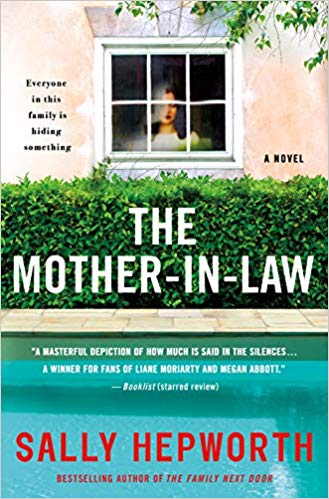
I enjoyed this novel as a light summer mystery audiobook and liked how its premise touched on mother-in-laws and their relationship with their kids’ spouses, which has such potentially fraught possibilities, either wonderful or frightful.
In this story set in Australia, the wealthy matriarch Diana appears at first to be a stone-cold (SOB) mother-in-law … and yet she runs a charity for immigrants, is a pillar in her community, and appears to have feelings after all, especially for her husband Tom and her grandkids, just not exactly for her daughter-in-law Lucy. And Lucy so wants to be liked by Diana and her husband Ollie’s family, which includes his sister Nettie and her spouse Patrick, but nothing is easy. Money is an issue — Diana doesn’t want to give handouts to her married son, who is starting a business, or her daughter, who is seeking fertility treatments, nor does she appreciate Lucy at first — who is a stay-at-home mom to three kids.
But Diana’s life has been harder than you think — as you come to find out by the chapters being alternately told by Lucy and Diana in the past and present. Both sides are compelling — neither one being all good or all bad — and I liked its entertaining look at the mother-in-law dynamic — which is more attenuated once Diana is found dead along with a suicide note. Uh-oh. Did she do it, or was it someone else? You’ll have to keep on till the end to find out.
Granted, Diana was the opposite of my beloved mother-in-law, who I lost in 2013. She would’ve been Lucy’s dream MIL from the very beginning.
That’s all for now. What about you — have you read any of these — and if so, what did you think?