The Transcriptionist and Movie Briefs

Well winter has fully arrived today as it’s 10 degrees Fahrenheit out with a wind chill of -3. Ouch. They say this “Arctic blast” should be over by tomorrow though. We have about five inches of snow on the ground. My dog loves it of course and still wants her long walks, sigh. It’s okay though because next week we’ll be celebrating the Christmas holiday with family in Southern Cal, enjoying balmier temperatures.

My reading has taken a hit this month as the Christmas season has prevailed over all things. Though Ti over at Book Chatter and I are doing a read-along of F. Scott Fitzgerald’s 1934 novel “Tender Is the Night.” I’m struggling a bit with it and trying to hang on to the story of Dick and Nicole Divers set amid the French Riviera and Switzerland. Perhaps they’re a kind of flip side to Jay Gatsby and Daisy Buchanan. Of course Ti has zoomed through the novel and is done, waiting to discuss it. I will see “Tender Is the Night” through or else be damned.
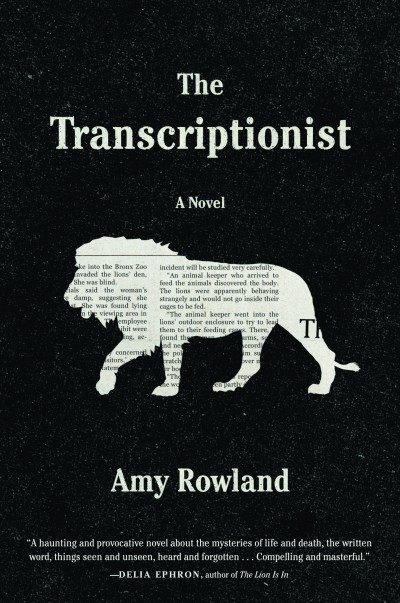
Meanwhile I continue to have good luck with audiobooks from the library, which I listen to while on my frozen walks with my dog. I finished the audiobook of Amy Rowland’s 2014 debut novel “The Transcriptionist,” which I very much enjoyed. It’s about 33-year-old Lena, who works as a transcriptionist for a big NYC newspaper called The Record. She sits alone in a room all day with a headset and Dictaphone transcribing stories from reporters out in the field — until one day she comes across a story so shocking that it gets under her skin and eventually unravels her world.

Wow, this little gem of a novel is both funny and heartfelt, though dark too. It’s apparent from it the author worked at a major newspaper and indeed she was a transcriptionist at the New York Times for a few years from 2001, before transferring to the book review section. Like the character Lena, she sat in a room transcribing the words from reporters’ calls and tapes. I remember those days, now obsolete, when I was at The Post. So old school but good. Funny to think back on the by-gone newspaper days when transcription and newspaper paste-up and typesetting were commonplace.

In “The Transcriptionist” the author nails the experience of a low-life newspaper employee and how the job and the tragic stories she transcribes begin to fray her soul. The other newsroom employees she comes in contact with are wonderfully drawn and caricatured. In time, Lena plays her card at the paper, which has its consequences, but not before raising ethical journalistic infractions going on there.

The book rang true for me, which was cool. You don’t necessarily need to have been at a newspaper to be engaged by “The Transcriptionist,” but it’s sort of a kick if you have. Anyone might like how the novel touches on themes of the written word, isolation, technology, ethics, and the discontentment with a job.

This audiobook was expertly narrated by Xe Sands. One sign of a good audio is that you want to read the print version as well soon afterwards, and you likely want a copy of the book for your shelves too. So far, I can say that about “The Transcriptionist” and “Station Eleven.”
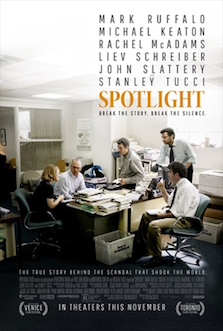
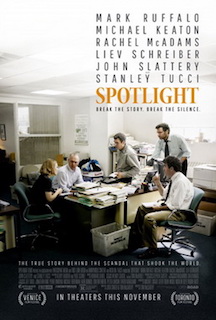
As for movies, the husband and I saw “Spotlight” about the Boston Globe’s 2002 uncovering of the sex abuse scandal of minors by priests and the cover-up within the local Catholic Archdiocese. It’s hard to turn investigative newspaper stories into dynamic movies but the screenwriters pulled this one off. It’s a powerful rendering of the explosive scandal and focuses on how the journalists pieced the story together. The cast is superb, and the victims stories are horrific (a couple cases are briefly described, the rest implied). It’s hard to fathom the scale of the abuse and the cover-up even now long after it’s been made public.
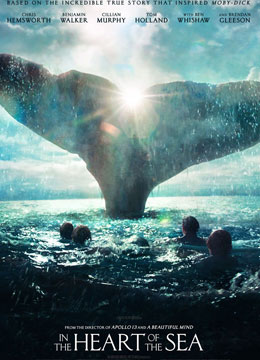
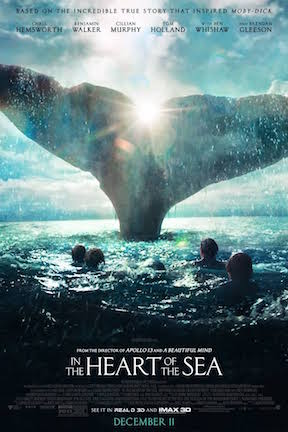
We also just saw the movie “In the Heart of the Sea” about the sinking of the whaling ship (Essex) in 1820 by a giant whale. Much of the movie focuses on the captain and the first mate (played by the hunky Chris Hemsworth) who don’t see eye-to-eye over the ship’s destination or seamanship — and how the ship’s surviving crew are pushed to the brink to stay alive. We liked the film, though it received just a 41% favorable critic rating on Rotten Tomatoes. It deserves better! Be forewarned: it’s not easy to watch majestic whales being hunted and killed, but it’s hard to deny whaling was a considerable part of U.S. history. The film’s visual effects may seem unreal at times, but the story of the real-life maritime disaster is well worth seeing, as well as for its role in inspiring Herman Melville’s epic “Moby-Dick.” Melville, played by British actor Ben Whishaw, has an interesting part in the movie.

What about you — have you read “The Transcriptionist” or seen the movies “Spotlight” or “In the Heart of the Sea” — and if so, what did you think?

Till the next time, have a happy holiday season!
Posted in Books, Movies | 24 Comments

Sweetland and Painted Horses

Quite a few of the protagonists in the books I’ve read this past year have been pretty lonely characters, such as: the teenage boy in “My Sunshine Away,” the Russian scientist in “Us Conductors,” the English anthropologist in “Euphoria,” the lady investigator in “The Enchanted,” and of course who can forget the sad professor in “Stoner,” among others. Holy smokes, these people linger on the edges of society — trying to make due by their lonesome selves.

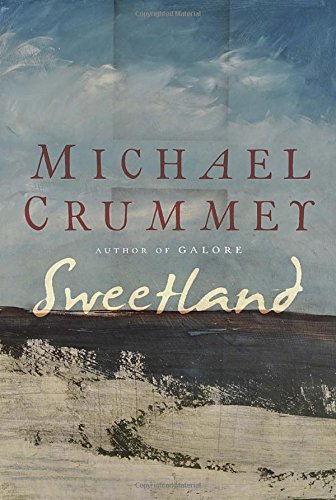
Now I have one more to add to the group: Moses Sweetland, the 69-year-old man in Canadian author Michael Crummey’s 2014 novel “Sweetland.” He’s a crotchety codger who lives among an island community off the coast of Newfoundland and refuses to leave the island with everyone else when the government decommissions the place and offers compensation for all to leave. Sweetland’s pressured to take the offer but after an accident occurs he decides not to. Left on the island alone, he struggles to survive and ruminates over his life and past memories of the community, his relatives, and the place he so clearly loves.

Wow “Sweetland” is a slow-burning novel that’s evocative and a bit haunting. It’s about the loss of a way of life and one man’s inability or willingness to go along. Some of the novel’s best parts are the descriptions of his everyday life on the island doing chores and getting by, and his relations with his relatives and others there in the community who eventually leave. I was caught up in Sweetland’s story though it’s rather sad and his struggle to keep on after everyone on the island goes away.

It’s one of those books that moves slowly in places but gets under your skin. It fully engaged me and never seemed dull. Bravo to author Michael Crummey — my new favorite Canadian author? I immediately looked up his bibliography to see what else I need to get my hands on and it appears his 2009 novel “Galore” was highly praised as well. I will put it on my list. Have you read it?

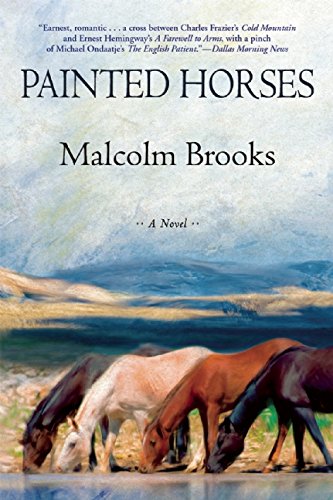
Meanwhile I also finished the audiobook of Montana author Malcolm Brooks’s 2014 debut novel “Painted Horses.” Wow it’s a bit of an epic novel in its scope and storytelling, which I didn’t realize when I first picked it up. Set in the 1950s, it involves two main characters whose paths cross at a Montana canyon slated to be flooded by a proposed dam. Catherine Lemay is a young archaeologist hired to survey the canyon for historical artifacts before the dam project gets the green light; and John H., is a rugged horseman and artist who served in WWII in the last cavalry unit. They come together over secrets in the canyon, but stakes in the community for the dam run high, and the power company and big business stand in their way.

The ending gets a bit crazy but all in all the storytelling is quite good. The story flashes back and forth between the past and present of Catherine’s and John’s different histories and how that shapes them in their view of the canyon. There’s a bit of everything in this novel: drama, romance, cowboys, Native Americans, WWII, art, archaeology, feminism, nature, a vanishing way of life vs. the future and new technology. At times, I thought perhaps the author bit off more than he could chew, but still the novel comes together and holds one’s attention with interesting facets and dilemmas.

I think I was drawn to “Painted Horses” mostly for its premise set in the American West of the 1950s, and for the author’s descriptions of the Montana landscape, animals, and the canyon. He definitely knows the ins and outs of horses — mustangs, mares, stallions — you name it, and I empathized with the characters. I also can’t resist a novel involving archaeology. If you like any of these things, you’ll want to check out this novel.

What about you, have you read the novels “Sweetland” or “Painted Horses,” and if so what did you think? Their book covers look pretty nice, too!

Posted in Books | 14 Comments

December Preview

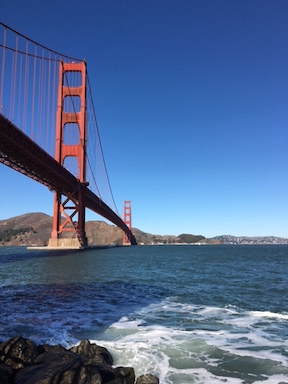
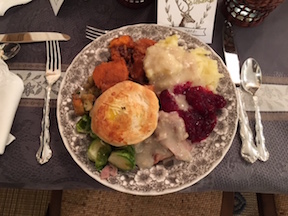
We had a fun time in the Bay Area for Thanksgiving at my sister’s. It was warm enough to go for some scenic walks, ride bikes, and take a boat ride — in addition to eating plenty of turkey and stuffing and visiting with my relatives. What a great place!

But it was a short, world-wind trip and now we’re back amid December with the whole Christmas season upon us. I’m hoping it won’t be too much of a mad rush, but it likely will. How was your Thanksgiving?

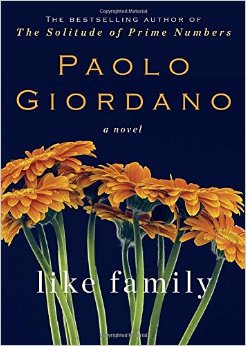
For books this month there’s only a couple coming out that I have my eye on. First off, I’m curious about Italian author Paolo Giordano’s new novel “Like Family” as a few years back I liked his offbeat debut novel “The Solitude of Prime Numbers,” which I heard the author read from at our city’s annual book festival. I would also like to read Giordano’s Afghanistan war novel “The Human Body,” which I missed somehow. But this new one, his third novel, is about an older woman who becomes a nanny and housekeeper for a couple about to have their first child. Over time she becomes essential to their small household but then later gets a cancer diagnosis that affects each family member in different ways. It sounds like a heartrending story and I’m game to find out more.

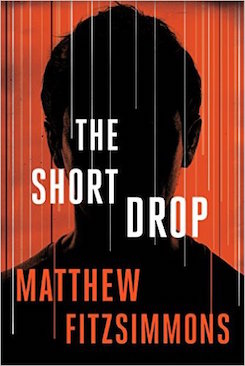
Secondly, I’m interested in checking out Matthew FitzSimmons’ debut thriller “The Short Drop” since a lot of readers have given it high marks for a suspense novel. I typically don’t read suspense thrillers but every once in awhile I’ll take the plunge if something is said to be a great ride — so to speak. This one is about the U.S. vice president’s missing daughter, which is a case that has remained unsolved for a decade. But now new evidence surfaces just as a legendary hacker and Marine is set to covertly investigate the case, while the VP is campaigning for the presidency. It sounds pretty juicy and might be a good fast read during this busy holiday season.

Meanwhile major movie season is upon us and this month brings a slew of new offerings to theaters. Much of the talk is about the return of “Star Wars” after a number of years absent with “The Force Awakens,” but I haven’t seen the franchise since “Return of the Jedi” in 1983 and I don’t plan to venture again to the galaxy far far away — even though the old crew of Mark Hamill, Harrison Ford, and Carrie Fisher are reuniting for it. Who knows what shape they’ll appear, or what this latest script will bring forth.

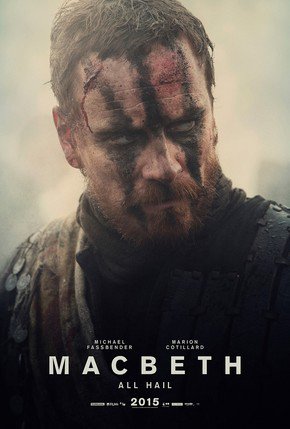
After checking out the December film list, I don’t think there’s one movie that sticks out majorly to me but perhaps I’m most curious to see “In the Heart of the Sea” and “Macbeth” with Michael Fassbender. I hear some critics are ticked that Shakespeare’s lines have been cut in the new Macbeth film and that it focuses a lot on atmosphere and style but still I’m drawn to see it. I’m game to see most of the films Fassbender is in. He rocked in the “Steve Jobs” movie and so if he’s in this too, then all hail Macbeth that shall be king!

As for “In the Heart of the Sea,” most of Ron Howard’s films are usually quite good, and it’s based on Nathaniel Philbrick’s 2000 award-winning nonfiction book about the loss of the Whaleship Essex in the Pacific Ocean in 1820, so what more do you need? It’s an event that inspired Herman Melvin’s “Moby-Dick.” I still hope to read Philbrick’s book beforehand, which I should have done years ago. Chris Hemsworth as the lead character is not too shabby to look at either. I once sat through an entire rental of the crazy “Blackhat” movie because of Hemsworth, though I never got around to seeing him in “Thor” or “Rush.”

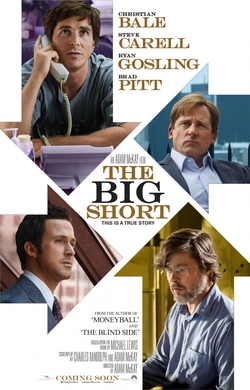
In other December movies, “Concussion” and “Joy” could be worth seeing, though it appears “Concussion” has received only a 65% critic approval rating so far on Rotten Tomatoes, so go figure. Bloggers seem to be liking the “Concussion” book though by Jeanne Marie Laskas. I’m not sure what to think of the movie “Joy,” which appears to be another David O. Russell film starring Jennifer Lawrence and Bradley Cooper (more Silver Linings plus American Hustle stuff). Surprisingly the financial movie “The Big Short,” based on the book by Michael Lewis, has received high praise and a 78% critic approval rating on Rotten Tomatoes. I’m not sure about wanting to see a financial flick at Christmas but the all-star acting cast of Christian Bale, Brad Pitt, Steve Carell, and Ryan Gosling could be worth seeing. There’s also a Michael Caine-Harvey Keitel buddy retirement movie set in the Swiss Alps called “Youth” that looks to be poignant and have a few laughs.

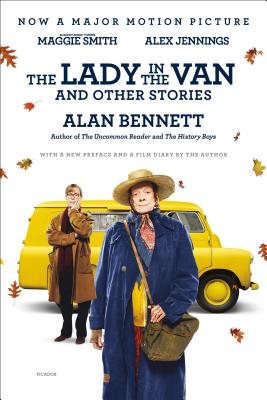
Lastly I will save talking about the Leo DiCaprio movie “The Revenant” till January when it comes out nationwide. Suffice it to say, the trailer of it slightly reminds me of the film “Jeremiah Johnson,” which I’ve seen half a dozen times, but on steroids perhaps, and I will likely have to see it. It looks pretty intense. But if you’re looking for a small but pretty entertaining film in December and January, you might check out “The Lady in the Van” with Maggie Smith. I saw it at our city’s film festival a couple months back and it’s a nice sleeper hit. Written by British playwright and author Alan Bennett, it tells the true story of an elderly woman who lived in a dilapidated van on Bennett’s driveway for 15 years. The movie is one of those quiet gems that’s not to be missed either as a home rental or as a matinee at the theater.

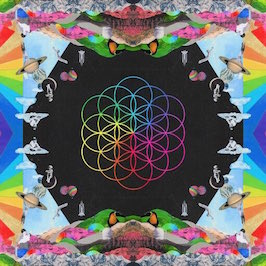
Lastly for new albums in December, I’m sure there’s a lot of great Christmas music out to get in to the holiday spirit. I usually play the same Christmas albums every year by Sarah McLachlan, Chris Isaak, and the soundtrack to “Love Actually” along with classical pieces to get me in the right mind-set. But for new, non-Christmas albums, I’ll pick Coldplay’s seventh studio album “A Head Full of Dreams” as my pick for the month.

What about you — which books, movies, or albums out this month are you most looking forward to?

Posted in Top Picks | 26 Comments

The Secret River and Week’s Review

For those in the U.S., Thanksgiving is nearly here so I’m wishing everyone a very happy turkey day in advance. My husband and I usually do not travel for Thanksgiving but this year we are going to San Francisco for a rare family get-together at my sister’s. I think 15 relatives or so will be there, which is pretty exciting. What are you doing for Thanksgiving?

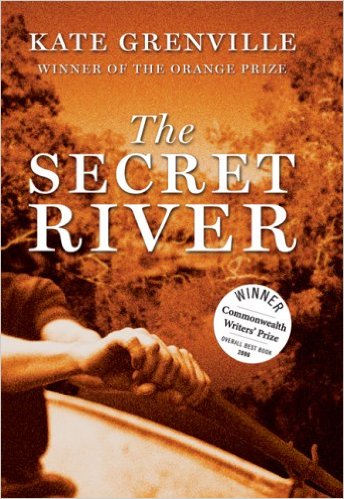
Meanwhile this week I finished Australian author Kate Grenville’s 2005 novel “The Secret River,” which is set during the early 1800s about an English bargeman, William Thornhill, who is deported (for stealing) along with his wife to the colony of New South Wales in what later would become Australia. After a few years, Thornhill’s pardoned and settles with his family fifty miles beyond Sydney on the frontier — with dreams of owning his own farm land along the banks of the Hawkesbury River. The only problem is the land has long been the territory of an Aboriginal group that uses the land as well. A culture clash between the settlers and the natives ensues with the hostility gradually escalating until one final act ends up changing all of their lives forever.

What starts out as a pretty measured-paced novel builds to a crescendo toward the end. Grenville is quite a gifted storyteller and I felt in “The Secret River” she captured the sensibilities of the characters, the densely forested landscape along the river, and the settler-Aboriginal conflict very well. It was like I was on the edge of the Australian frontier in 1814 with circumstances and the heat about to boil over — the wife wanting to return to England, Thornhill wanting to stay, and the other settlers pushing to settle things with the natives once and for all. I credit Grenville for writing such a well-researched historical novel that flows so easily; she definitely seems to be a born storyteller. Apparently, according to Wikipedia, “The Secret River” was inspired by Grenville’s interest in finding out about an ancestor of hers who settled along the Hawkesbury River, and it took her five years and twenty drafts to complete. Oh my, no wonder the novel turned out right.

I read “The Secret River” as part of AusReadingMonth, which is being hosted by Brona at Brona’s Books. She helped pick out this novel for me and I’m glad because it seemed right up my alley. I’ve read a lot of fiction by Australian author Tim Winton but never had read Grenville before. “The Secret River” is the first novel in a trilogy and I’m interested in reading the other two books about the Thornhill family. From the first one, I could visualize Australia so well even though I’ve never been there, but I sure would like to go. I meet quite a few Aussies here in Western Canada — as the people of the Commonwealth countries sure seem to keep together.

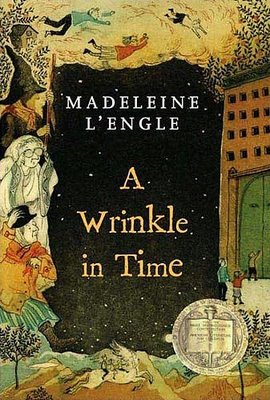
In other news last week, I finished the audiobook of Madeleine L’Engle’s 1962 children’s classic “A Wrinkle in Time.” I had not remembered the fine details of the book from my youth so I returned to rectify that. I’m so glad I did. I really enjoyed listening to the story of Meg and her younger brother Charles Wallace (who can forget Charles?) as they journey along with schoolmate Calvin O’Keefe to find their missing father, a scientist who had been working on fifth dimensional time-travel before disappearing. I loved the trio of their helpers: Mrs. Whatsit, Mrs. Who, and Mrs. Which, and was appropriately intimidated by the dark planet of Camazotz and the disembodied brain that controls the place. Blech! Run Charles Wallace, Run! Luckily Meg seems to learn some valuable lessons about fighting conformity and evil along the way. I listened to the audiobook narrated by actress Hope Davis that came out with the 50th anniversary edition a few years ago. I highly recommend Hope’s reading of “A Wrinkle in Time.” It’s good fun.
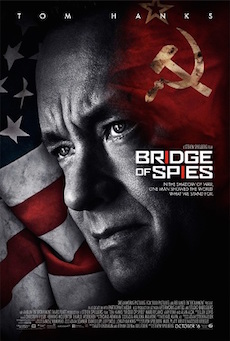
Also my Hub and I finally saw Steven Spielberg’s Cold War film “Bridge of Spies” last week. It has all the historical intrigue and ingredients to be quite fascinating — and it is to a certain extent. It’s about an American lawyer trying to get back a captured U.S. spy pilot in a prisoner exchange with a Soviet spy. The movie is good, but in some respects “Bridge of Spies” seems to come across a tad dry (I think from the script) despite how much tension and anxiety you would think such circumstances would involve during the Cold War. The movie is definitely worth going to — it’s quite an interesting event in history. I just felt it could’ve had more intensity or pulse to it (instead there is a bit of Coen Brothers’ humor in there). For goodness sakes, world annihilation was on the line.

Lastly in news, congratulations to last week’s National Book Award winners: Adam Johnson for his short story collection “Fortune Smiles” and Ta-Nehisi Coates for his nonfiction book “Between the World and Me.” I haven’t read either author just yet, but I have their books on my radar. Both seem quite thought-provoking.

How about you — have you read any of these books mentioned above or seen the Spielberg movie — and if so, what did you think?

Posted in Books, Movies | 33 Comments

A Constellation and Last September

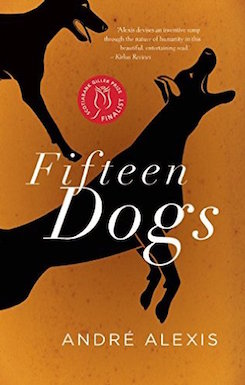
First of all congrats to Andre Alexis who won the Giller Prize, Canada’s top literary award, this week for his novel “Fifteen Dogs,” which is a philosophical story about a group of dogs overnighting at a Toronto vet clinic that are suddenly capable of human intelligence. I heard the author read from his novel at our city’s book festival last month, but I haven’t gotten my hands on a copy of “Fifteen Dogs” just yet. It slightly reminds me of George Orwell’s “Animal Farm” because of the talking animals and the points being made about the human condition, but we will see. Have you read it yet?

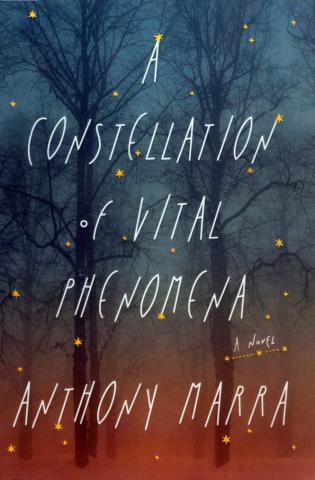
Meanwhile, I finished one meaty literary read this week, as well as one light murder-mystery book. So between these two opposites my mind is a bit mush, though they did even each other out pretty well. The heavier read, Anthony Marra’s 2013 novel “A Constellation of Vital Phenomena,” is a book I picked for my book club to discuss in December since it received so many high accolades when it first came out and I’d been meaning to read it for a long time.

Set in Chechnya during its second war with Russia, the novel is about a small group of people struggling to survive in the bleakest of circumstances. One of them is an 8-year-old girl, Havaa, who hides when her father is abducted by Russian soldiers in the middle of the night. Her neighbor, Akhmed, is an incompetent doctor, who takes her to a crumbling, nearly deserted hospital to seek refuge for her. But Sonja, the doctor in charge there, is hesitant to risk harboring the child, even though she knows without it, the child will likely disappear as Sonja’s sister did. Akhmed’s “uncle” is another main character, who writes long histories of the Chechen land, and is conflicted by his once-tortured son, who’s a government informant that rats on people in their village. All of the characters become connected in intense ways as they navigate five days amid the brutal war.

“A Constellation of Vital Phenomena” involves tough material and isn’t an easy read, but for those who stick with it, its rewards are considerable. A few challenging things about the book perhaps are how it alternates chapters in different times and points-of-view, and throws in quite a bit of context and details about Chechnya and the war that one might not otherwise know. A lot of the pages also don’t have any paragraph breaks so the text seems to rattle on at length, adding to its density at times.

And yet, I became very intertwined with the characters and felt the suspense of whether or not they would survive or see their families again. They seemed so real and vivid. Sonja, the top-notch doctor, who returns from abroad to her homeland to try and find her sister, is my favorite of the bunch. She is gritty, brilliant, and sacrifices so much to help others, which is ultimately what I took away from the novel — the main characters’ humanity despite all the hell they go through. As author Anthony Marra told NPR: “It’s a novel about people who are trying to transcend the hardships of their circumstances by saving others.”

“A Constellation of Vital Phenomena” should stimulate a good discussion with my book club as there are quite a few characters in it and it involves such themes as sacrifice, betrayal, and forgiveness. In terms of the war in Chechnya, the book doesn’t seem to be on one side or the other, but is more about the ordinary people who get caught up in the war’s crosshairs. I found the novel to be pretty eye-opening about the Chechen country and war, which I only vaguely remember from news stories back then. The author obviously did a lot of research and visited the area, which shows. The novel is definitely a moving tribute to the people there who went through such things.

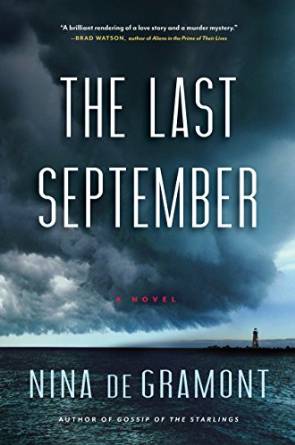
Meanwhile, the lighter book I finished this week was an audiobook called “The Last September” by Nina de Gramont. It’s a love story, murder-mystery type book that is set mainly in Cape Cod, Mass. At the book’s beginning, the narrator, a girl named Brett, whose marriage is on the rocks, finds her husband, Charlie, murdered. The story then goes back in time to how Brett met Charlie through his younger brother Eli, who Brett was good friends with, and tells of Brett’s long relations with the brothers — Charlie, a popular ladies man, and Eli, who becomes mentally unstable. Brett eventually snags Charlie to be her husband but first breaks off an engagement to Ladd, a well-off guy who grew up in the same cove as the brothers.

“The Last September” takes quite a circuitous route to find out who killed Charlie, and I was reminded in its suspenseful parts of Gillian Flynn’s novel “Gone Girl.” It kept my attention for the most part, but overall “The Last September” seemed too much like chick-lit to me, and it’s not a genre I typically read. I would recommend it for chick-lit murder-mystery readers. I thought it was well done for that genre — maybe a bit unrealistic in places — but just not a book in my favorite wheelhouse. Do I need to explain myself further, or have I opened a can of worms with my assessment?

What about you — have you read “A Constellation of Vital Phenomenon” or “The Last September” and if so, what did you think?

Posted in Books | 21 Comments

The Indifferent Stars Above

I don’t recall when I first learned about the Donner Party — those ill-fated pioneers who set out from Illinois in covered wagons for California in 1846, only to become snowbound in the Sierra Nevada Mountains without adequate provisions. It could have been in junior high history class, or I could have read about the group on my own. Perhaps the Donners were a prerequisite for growing up in California. You didn’t exactly know where you learned about them, you just sort of knew. And theirs was a story you didn’t really forget.

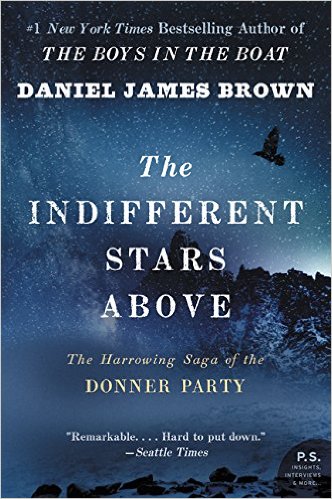
Over the decades, so many books have been written about the Donner Party, both nonfiction and fiction alike — it’s definitely been the Titanic of pioneer stories. Quite a few years ago, I read James D. Houston’s novel “Snow Mountain Passage,” which enlivened aspects of the Donners’ story for me but perhaps didn’t give me the complete picture. Thus, when I was recently offered an opportunity to review Daniel James Brown’s nonfiction book “The Indifferent Stars Above: The Harrowing Saga of the Donner Party,” I pretty much jumped at the chance.

For one thing, I’ve always been keen on reading about epic, real-life survival tales. Thanks to books, I’ve been to the Antarctic with Shackleton a number of times; ditto the South Pole with Roald Amundsen and Robert Falcon Scott; I’ve been on the Titanic trying to figure out exactly what happened and when; I’ve been “Into the Wild” and “Into Thin Air”; and somewhere in my stack of books to read, I’m going to go underground with the 33 Chilean miners. So it wasn’t a stretch that I would also want to climb aboard the most infamous pioneers’ wagon train to figure out exactly what went so horribly wrong. Sure they were to cross sixteen hundred miles through rough foreign territory with old weapons and equipment to move to a place they’d only recently heard about, but they were among a large wagon train and they were well stocked for the five or six month journey. Everything seemed to be going according to plan, or was it?

The book “The Indifferent Stars Above” also appealed to me because like many others, I didn’t realize that Daniel James Brown — the same author of the bestselling “The Boys in the Boat” — had written about the Donner Party before the boat book. Perhaps who better to reawaken the Donners’ daunting journey. Renown for his narrative nonfiction style, I figured Brown would be a perfect match for capturing what the pioneers went through in a well-researched, page-turning way, and as I assumed, the book did not disappoint.

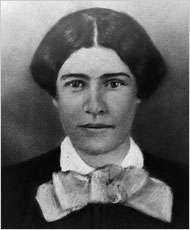
I was lured into “The Indifferent Stars Above” pretty much from the start. The book focuses on the Graves family, particularly Sarah Graves, the 21-year-old, eldest daughter of Elizabeth and Franklin Graves whose eight other young children were traveling with them as well. Sarah, pictured at left, had just become married when they had set off on their journey and she had her new husband by her side. By all accounts, Sarah and the Graves family were in high spirits as they stopped in Missouri for supplies and joined a much larger wagon train headed west, led by the Donner and Reed parties.

It wasn’t long before I latched on to Sarah’s wagon as the book traces the journey with her family and others across the Plains, through the Nevada desert, and into the mountains. Like her parents, Sarah seemed well liked and hardy, devoted to helping her younger siblings along the way. On the whole, I was pretty amazed by all the young children and babies the pioneers were traveling with on foot and in their wagons. Good grief, the parents didn’t seem to think twice about moving their young brood so far from home despite the harsh conditions.

“The Indifferent Stars Above” does well in giving significant insight into the social and historical context of the times. It talks about the illnesses of the day, the threat they feared from Indians, how war in California was going on with Mexico, and how the pioneers lived without much in the way of toothbrushes (they hadn’t been invented yet), baths, or laundry, while battling such pests as lice, bedbugs, and fleas. The pioneers seemed a much tougher group than we are today, and I wouldn’t have worried about them so much if I hadn’t already known of their journey’s tragic outcome.

But as the book explores, multiple factors doomed the Donner wagon train. They took an untested route and arrived at the Sierra Nevada Mountains exhausted and too late in the season. Like “Into Thin Air,” they were too late to their destination, and a blizzard had already begun to blow. Oh how I wish in my reading, I could have changed their outcome! Their story was like a darkening vortex that I knew I’d have to go through. Sarah Graves and her family became stuck with the other families, snowbound and hungry, at the base of a mountain lake, well below the pass they needed to get over to get into California. Most of them tried to survive by staying in make-shift cabins at the lake, while others went for help. But eventually only half of the 87 pioneers in their wagon train would survive.

Sarah Graves was one of 15 snowshoers who scaled the snowy pass to go for help. They were trying to get to an outpost across the mountains that was more than 60 miles away, but they didn’t even have a compass. (I’m reminded a bit of Shackleton’s epic escape in the Antarctic some 70 years later.) “The Indifferent Stars Above” details the snowshoers’ harrowing journey through blizzard conditions as well as those who stayed behind at the lake camp, snowbound for four months. The story includes some of the worst suffering from starvation and hypothermia that I’ve ever read. It’s heart-wrenching agony, and yet all I could do was read on and hope the snow would abate for once and that those who went for help would make it through.

It’s a survival tale that’s undoubtedly hair-raising, and Brown’s narrative of it is quite riveting. I felt like I was on the mountain, trying the best I could to help them escape. Along the way, the book also includes some insightful scientific research from today about hypothermia, snow blindness, and caloric intake and what the pioneers likely faced both physically and psychologically. It also talks about the high snow levels from the winter of 1846-1847, a winter that was also unkind to the men of British explorer Sir John Franklin’s expedition who were attempting to find a Northwest Passage.

Much has been written about the Donner Party and the cannibalism that a number of the pioneers resorted to for survival after others had passed away. In history books, the group is often seen not as heroic but as a group to be disdained or shunned completely. Not many want to think about the Donner Party for that reason. While Brown’s book “The Indifferent Stars Above” doesn’t ignore their cannibalism, it attempts to focus the saga more on it as a survival story since half of the pioneers got out alive. The book does include quite a bit of the gory details, and a few times, I felt like I was going to be sick. You definitely get the full picture of their struggles, along with the cannibalism, and yet Brown’s narrative gives the pioneers such as Sarah Graves a humanity perhaps they aren’t often credited with.

I have to praise the author and his book “The Indifferent Stars Above” for opening my eyes a bit and not demonizing the families who were there. Sarah Graves seemed an ordinary girl for her times, and yet was able to pull off an extraordinary feat, one that others died trying. You’ll want to stick around at the end to hear what became of her life in California and others long after that gruesome winter in 1846-47.

Thanks to Trish Collins at TLC Book Tours and William Morrow Paperbacks for providing me with a copy of the book to review.

What about you — have you read about the Donner Party before — or are you interested in “The Indifferent Stars Above”?

Posted in Books | 40 Comments

The Dinner and November Preview

Happy Halloween weekend. I’m getting an early start as we’re headed out tomorrow to a cabin in the mountains to do some hikes and exploring. Hopefully it won’t be too spooky there like “The Shining,” which is on TV tonight along with Jamie Lee Curtis in the scary “Halloween” flick. Quite a gore-fest. Meanwhile the year is winding down and there are only two months left to cram in one’s reading for 2015.

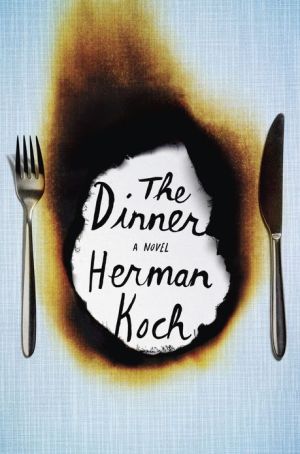
Speaking of which, this week I finished Herman Koch’s novel “The Dinner” on audiobook. I’m a bit late to the party on this big international bestseller — it was published in the U.S. in 2013 — but I’m glad to have finally gotten to it because it’s both dark and excellent. It’s one of those twisty stories you can’t talk too much about other than to say it’s about two couples (two brothers and their wives) who meet for dinner at a high-end restaurant in Amsterdam to discuss a situation regarding their 15-year-old sons.

At first “The Dinner” is darkly funny as Paul, the unemployed teacher who narrates the story, skewers just about everything around him: from the restaurant and parenting values to his political brother, Serge, a candidate to be the next Dutch prime minister. And oh my, does he skewer his brother! I had to laugh quite a few times. But you also have to be patient wading through the many digressions in the book. Paul’s narration seems to go off on a tangent almost at every whim, which can drive one a bit batty. Luckily most of the tangents are pretty entertaining in and of themselves and serve a purpose.

After awhile “The Dinner” takes a psychological turn as secrets and past histories are divulged and talk of the sons ensues during the five-course meal. It’s disturbing stuff and perhaps not too unlike a dark Gillian Flynn thriller. I was caught up in it and had to fly through till the end to see what happens. It’s a book that makes for an entertaining and compelling audiobook, and it’s excellently read by British actor Clive Mantle. “The Dinner’s” dark and biting nature might not be for everyone, but I admit I was pretty glued to it.

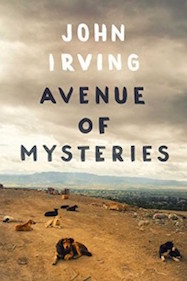
Meanwhile looking ahead to November releases, there’s new books from such popular authors as Stephen King, John Irving, Isabel Allende, and a 64-page re-published stand-alone story by Gillian Flynn. I’m eyeing a couple of these especially since John Irving is speaking at my public library here on Dec. 3. If I’m to go, I better check out his latest novel “Avenue of Mysteries” pretty pronto.

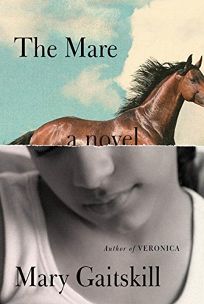
Also Mary Gaitskill’s new novel “The Mare” looks enticing. According to the publisher, it’s “the story of a Dominican girl, the Anglo woman who introduces her to riding, and the horse who changes everything for her.” The book traces the girl’s journey from inner city to small-town stable in upstate New York. So count me in as I want to check out Gaitskill’s style, since she’s renown for her edgy writing.

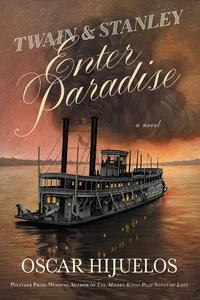
Also I’m curious about Oscar Hijuelos’s posthumously published novel “Twain & Stanley Enter Paradise” which is inspired by the real-life, 37-year friendship between famed writer Mark Twain and legendary explorer Sir Henry Morton Stanley. I’ve heard pretty enthusiastic things about this richly detailed epic, which Booklist calls “an extraordinary feat of imaginative historical re-creation.” Hmm.

Meanwhile the height of fall movie season is upon us and there’s plenty to pick from. Such action block busters as the new James Bond flick, “Spectre,” and the final Hunger Games movie “Mockingjay Part 2” are available this month, as well as one about the trapped Chilean miners called “The 33.” Though if it’s a drama-romance you want, there’s one with Angelina Jolie and Brad Pitt called “By the Sea,” or the much talked about Eddie Redmayne-acted film “The Danish Girl,” about the journey of a transgender pioneer.

I’m sure these are all fine and dandy but my movie picks for November are “Spotlight” and “Carol,” both of which have received some promising reviews. “Spotlight,” you might know, is about the Boston Globe’s uncovering of the child molestation scandal and cover-up within the local Catholic Archdiocese. The movie has a large cast with Mark Ruffalo, Michael Keaton, Liev Shreiber, and Rachel McAdams among others. I usually like these journalism/newspaper kinds of movies since that’s what my job background is, and it’s fun to see how factual or not they are.

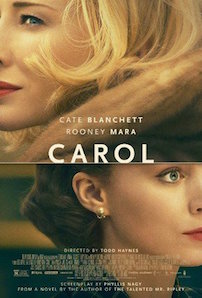
“Carol” is another film adaptation of a Patricia Highsmith novel that’s set in the repressively-portrayed 1950s. It’s about a department store female clerk, played by Rooney Mara, who falls for an older woman, played by Cate Blanchett. Todd Haynes is the director again, who did a similar type of film set in the 1950s — “Far From Heaven” — back in 2002. You remember a sad Julianne Moore? That one was excellent and I suspect this one will be as well. If Cate Blanchett is in it, I say “Go.” I also hope to see Blanchett’s other film out from last month called “Truth.” So it could be a Cate Blanchett-kind-of month.

Lastly in November releases, there’s new albums by Sara Bareilles, Chris Isaak, and Tim McGraw among others. They all have such strong voices. But you know, pick of the month has to go to Adele hands down for her upcoming album “25.” I’m not sure yet what to think of the album’s first single “Hello,” but I look forward to hearing more off “25.”

So how about you — have you read Herman Koch’s novel “The Dinner,” and if so, what did you think? Or which books, movies, or albums out this month are you most looking forward to?

Posted in Books, Top Picks | 16 Comments

The Dog Stars and Movie Briefs

This week I’ve been reading a nonfiction book about the doomed Donner Party — you know, the group of emigrants lead by George Donner and James Reed who set out from Missouri for California in covered wagons in 1846. It’s by the same author — Daniel James Brown — who wrote “The Boys in the Boat” and I’m enjoying it quite a lot. I’ll report back more once I get through its snows of the Sierra Nevadas and it comes to an end.

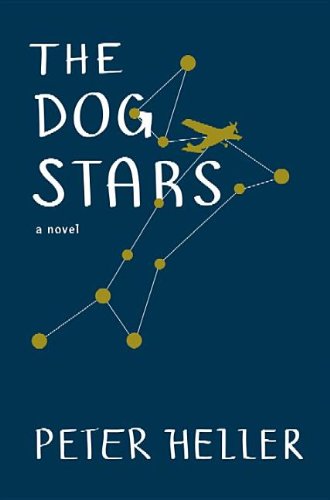
Meanwhile I finished listening to the audiobook of Peter Heller’s 2012 novel “The Dog Stars.” Of course it’s another apocalyptic novel — where is my mind this year — ready for end of the world?! Like Emily St. John Mandel’s novel “Station Eleven,” “The Dog Stars” is set quite a few years after a flu or virus has wiped out most of humanity. It’s two primary characters are a fortyish pilot and fisherman named Hig and an older, gun nut named Bangley who have settled at a country airstrip in Colorado, trying to fend off occasional attacks from violent survivors. Their families didn’t survive the pandemic, but Hig still relies on his very dear dog companion Jasper, a Blue Healer mix.

A lot of the time, Hig spends flying an old Cessna around, monitoring the area for intruders and visiting a hamlet of sick families a distance away who have the tainted blood. Then one day, he hears a distant response on his plane’s intercom and realizes good things might still be out there. He leaves their place behind, and sets out to investigate. What happens and whether he will return kept me glued to the audio all week while raking leaves, doing chores, and walking my dog.

I liked the characters of Hig and Bangley — a crotchety, but winning combo. And Jasper of course. Hig’s love for his dog in the story earned major points with me, being a dog lover. I was also impressed by the author’s vivid descriptions of life under such dire conditions. His writing was at times poetic and touching. Though I wasn’t sure about parts of a romance in the book, it seemed a bit goofy or just perhaps out of place, but I was willing to let it ride.

To compare, “The Dog Stars” is perhaps a tad scarier and more survival focused perhaps than “Station Eleven,” but not as scary or as dark as Cormac McCarthy’s “The Road.” The novel is a bit hopeful, which is nice when you’re facing extinction. I liked “Station Eleven” best, but also enjoyed “The Dog Stars” as it’s both suspenseful and well written. It has heart. Actor Mark Deakins read the novel for the audio, and is quite excellent.

As for brief impressions of three fall movies I’ve seen:

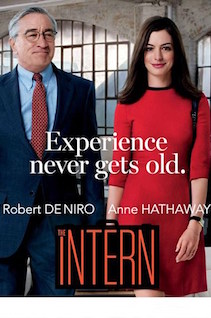
“The Intern” — I had to suspend my disbelief in a couple places in this Nancy Meyers’ movie, but I still ended up enjoying it. I credit actors Robert De Niro and Anne Hathaway for their performances and the cool shots of New York. I also had low expectations going in and so was pleasantly surprised it exceeded that. I found it a nice feel-good story but not over-the-top saccharine.

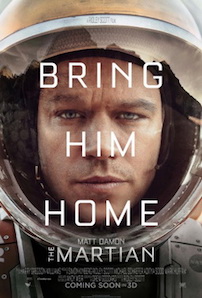
“The Martian” — Oh yeah I had been looking forward to Matt Damon as Mark Watney, and I was definitely entertained by this 3-D action space film adapted from Andy Weir’s bestselling book. I liked it but I guess I liked the book a tad better. The film had some great imagery, but for whatever reason it did not stay with me for long like substantial films usually do.

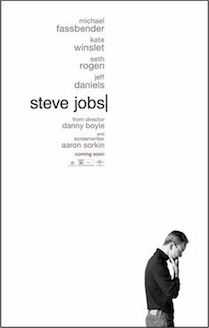
“Steve Jobs” — Whoa, does this film have a lot of dialogue in it or what. It’s filled to the brink, courtesy of Aaron Sorkin, and slightly reminiscent of “The West Wing.” It’s innovative and cuts to some of Steve Jobs’s inner character. I liked it but it also wore me out in parts — with the around and around cerebral dialogue. But Michael Fassbender seemed amazing as Jobs, and Kate Winslet and Seth Rogen were quite excellent too.

That’s it for now. How about you — have you read “The Dog Stars” or seen any of these movies, and if so, what did you think?

Posted in Books, Movies | 26 Comments

Wordfest, Princes, and Just Kids

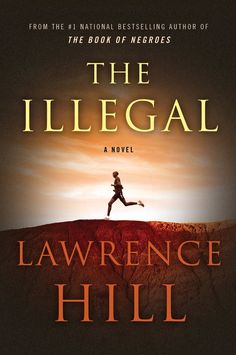
I’m just now catching up as last week was busy because our city’s annual writer/book festival called Wordfest was going on. I attended many of the book readings and talks, which were wonderful as usual. Of course a slew of Canadian authors read from their works including: Lawrence Hill, Patrick DeWitt, Nick Cutter (a.k.a. Craig Davidson), Elizabeth Hay, Andre Alexis, and Marina Endicott. Have you read any of these authors? I’m curious to read Lawrence Hill’s new novel “The Illegal,” which seems to be a big departure from his 2007 epic “The Book of Negroes.” I also hope to read Elizabeth Hay’s 2007 Giller prize-winning novel “Late Nights on the Air,” which I bought at the festival and had her sign.

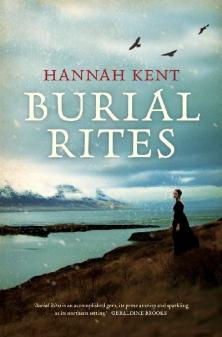
Other authors I heard at Wordfest included: John Vaillant, Hannah Kent, Sarah Winman, Sara Blaedel, Cecilia Ekback, Yrsa Sirgurdardottir, and former child soldier Michel Chikwanine whose talk was very tragic and powerful. There were some neat discussions, and I was impressed by all the authors — some of whose books I’ve read. I especially liked Australian author Hannah Kent who was well spoken and is very bright for her years. Her bestselling 2013 novel “Burial Rites” has been translated into 23 languages and was written in her twenties. Have you read it yet?

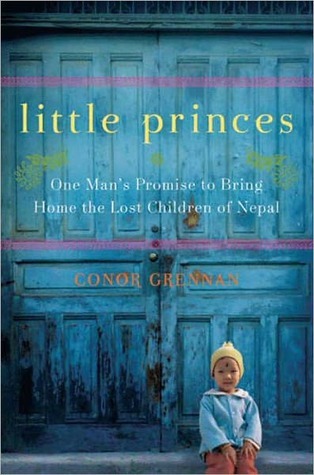
Meanwhile last week I finished the 2011 nonfiction book “Little Princes: One Man’s Promise to Bring Home the Lost Children of Nepal” by Conor Grennan. It’s not a genre I read often — that of a person going to a developing country, significantly helping others, and writing about his or her experiences — but I usually seem to benefit when I do as I often learn quite a bit in the process. This book was no exception, in fact “Little Princes” is as good as similar books — though I haven’t read Greg Mortenson’s “Three Cups of Tea yet — but “Little Princes” is informative and compelling. I read it for my book club, which plans to discuss it this week.

It’s about Conor Grennan who at the age of 29 in 2006 goes to Nepal — during the midst of a bloody civil war — to volunteer for three months at “Little Princes” orphanage. Reluctant at first to be a caretaker, Conor soon finds himself won over by the kids’ resiliency and fun nature. But while there he discovers a stunning truth: that they’re not really orphans but have been taken from their families like many others in the country, tricked by human traffickers promising the children’s safety from war for large sums of money. The traffickers in turn have typically either sold the kids into slavery, or left them somewhere terrible to fend for themselves — the lucky ones being the kids who’ve made it to the Little Princes orphanage or other safe havens.

Once stateside, Conor springs into action, starting a nonprofit organization to help rescue the lost or trafficked children of Nepal. He returns to the country and makes the dangerous journey to remote villages to contact the parents of “Little Princes” children, letting them know what’s happened to their kids and informing them of their whereabouts. Eventually Conor establishes a new orphanage in Katmandu to help save more children.

It’s commendable — his story and effort, and how much the organization he co-founded — Next Generation Nepal — has done to rescue hundreds of kids in Nepal and reunify them with their families. He put his life in danger a number of times to make it happen. I’m amazed by people such as Conor, who go against great odds to make the world a better place for others. The book kept my attention and is told very openly and modestly. It gives a vivid picture of the kids in the orphanage and what it was like then inside war-torn Nepal. There’s even a bit of a long-distance relationship Conor shares of a girl he comes to rely on stateside. So if you like books such as “Three Cups of Tea,” you might also like “Little Princes.”

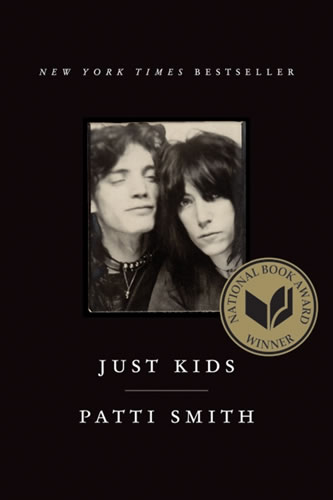
Finally last week, I listened to the audiobook of Patti Smith’s 2010 memoir “Just Kids.” About time, right? She has a new book out now called “M Train, which reminded me to get on the stick about her first book. I had always wanted to read “Just Kids” even though I wasn’t a huge follower of Smith’s music or poetry. I remember in college my roommate always played Smith’s 1975 album “Horses” which I thought was definitely cool but different and a bit weird. I was a fan of her song “Because the Night” which she co-wrote with Bruce Springsteen. In fact, I really wanted to hear about this collaboration and song in the book but alas it’s only briefly mentioned in “Just Kids.”

Most of the memoir of course is about her relationship with artist and photographer Robert Mapplethorpe, who was her world back when they were both starting out as artists in New York City. And it’s great that Patti Smith reads the audiobook. I found her quite down to earth and articulate, relating how her life unfolded and was back then. She pronounces her prose clearly as a poetess would. In her memoir she doesn’t seem too weird or strung out on drugs and I liked her sensibility. In fact the book hardly talks about drugs or alcohol, which is pretty refreshing for a rock memoir. Instead what I took away from “Just Kids” was:

** the places Smith frequented (such as the Chelsea Hotel and CBGB etc.) and the atmosphere of New York City back in the ’60s and ’70s, as well as the famous folks Smith knew there. I had no idea she had a relationship with Sam Shepard once; wow he must have been a real looker back then!

** the deep and touching bond she had with Robert Mapplethorpe, long after they went on to other relationships and muses

** the perseverance of both Smith and Mapplethorpe to make it as artists and be themselves, how they supported each other and didn’t sell out their dreams — was pretty incredible

All of that struck me in the book. And although I haven’t been a huge fan of her music or poems, I respect Patti Smith, her commitment to her artistry, and what she was able to do. And I’m glad to have finally gotten to her illuminating and poignant memoir “Just Kids.”

What about you — have you read any of these books mentioned above, and if so, what did you think?

Posted in Books | 18 Comments

Did You Ever Have … and Wolf Winter

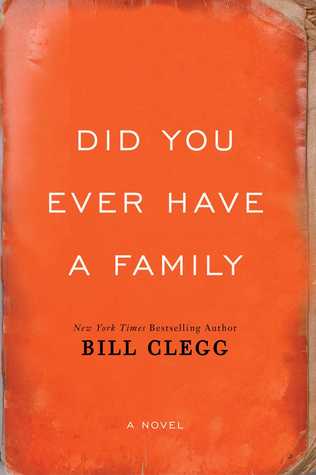
Somehow I missed jumping on the overall bandwagon for Bill Clegg’s popular 2015 novel “Did You Ever Have a Family.” I know everyone raved about it. I know some called it “the best novel of the year.” I know it was longlisted for the Man Booker Prize. I know I should have liked it a whole lot more, but somehow alas it didn’t turn out that way, and I’m still wondering a bit why.

I listened to “Did You Ever Have a Family” as an unabridged audiobook, and at the time, for some reason, I didn’t realize it was the author who was reading it. Usually I love when the author reads their own book for the audio (especially with memoirs — it’s terrific) but sometimes with novels it’s not so great — as was the case this time. Clegg read it in a monotone voice and didn’t differentiate between any of the many characters. I found myself questioning, “Is this guy getting paid for this?” If I were the publisher, I think I would have found someone else, but alas, I adapted to his reading style.

It doesn’t spoil anything to say “Did You Ever Have a Family” is about a horrific tragedy that takes place in a small Connecticut town after four members of a wedding party, including the bride and groom, are killed in a fire the night before the wedding. That starts the book, and the rest of it delves into who these four people were, and how the tragedy affects their relatives’ and friends’ lives in the community after the terrible event.

Quite a lot of people inhabit the novel, including 10 who narrate the story in alternating chapters. The main characters are the bride’s mother, June, and the groom’s mother, Lydia — whose lives are shattered — but other narrators include the wedding caterer who never got paid, the teenage pothead who lives nearby, and the motel owners on the West Coast who assist June when she eventually settles there to get away. These characters are just the tip of the iceberg.

I liked parts of “Did You Ever Have a Family” — some of the details and descriptions stuck out, and the conversational tone was enticing. I also liked how one comes to learn much more about the characters’ histories than what happens at the beginning of the book.

But unfortunately I felt disconnected or distanced from quite a few of the characters. The many alternating narrators, some of whom are very peripheral to the story, seem to take away from the book’s focus. Unlike the novel “Station Eleven,” which also had a big cast of characters but which is great, this novel became lost and fell flat to me despite all of its characters’ tragedies.

And indeed there is a lot of tragedy and grief in “Did You Ever Have a Family.” Not only is there the main fire disaster, but there’s also cancer, rape, abuse, drug overdoses, and other mayhem among the peripheral stories. All of it felt pretty macabre to me. And although some of the characters find a bit of solace at the end, I was relieved when the novel was finally over.

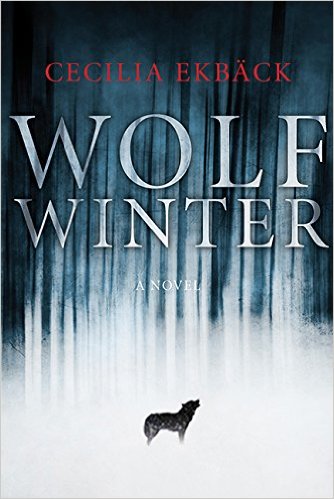
In the meanwhile I finished off Cecilia Ekbäck’s 2015 literary murder-mystery “Wolf Winter.” Ekback is a Swedish-born author who now lives in my town and I met awhile back on Independent Bookstore day. I had wanted to read her debut novel before she and others appear at our annual book festival next week. So I dove into it and slowly made my way through its 405 pages.

“Wolf Winter” is a highly atmospheric novel that takes place in Swedish Lapland in 1717. It’s about a Finnish family who moves to a northern Sweden mountainside called Blackåsen, where only a handful of settler families live, occasionally mixing with the Laplanders. There the family comes across a dead body high up on the mountain, which some dismiss was killed by an animal, but the Finnish mother believes differently. She starts poking around asking questions, and as a brutal winter comes on, she begins to learn some disturbing truths about the area and the other settlers.

“Wolf Winter” conjures a vivid spooky and wintry atmosphere in a land where the King and Church rule supreme. The main characters are the Finnish mother, and her eldest daughter who feels a power from the mountain, as well as the area’s priest who must investigate the case and keep the settlers in line.

I really liked the book’s imagery and characters — the only trouble is I felt there could have been a bit more action among its many pages. A lot of the drama comes at the very end, but I wish more surrounding the culprits, their motives, or other happenstances would have been spread out across the story. As it was, the action seemed a bit hung up and I thought the novel could’ve been edited down shorter and tighter.

On its cover, I see that “Wolf Winter” has been compared to Hannah Kent’s novel “Burial Rites,” though I still need to read that one to see if there’s any truth to that. It might make for an interesting comparison.

What about you — have you read “Did You Ever Have a Family” or “Wolf Winter” and if so, what did you think?

Posted in Books | 22 Comments