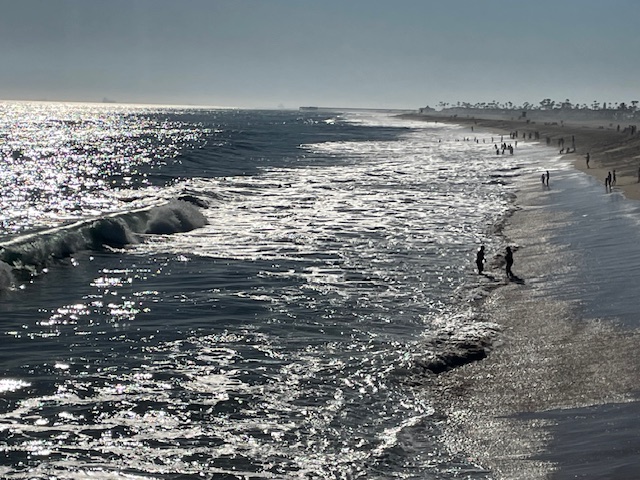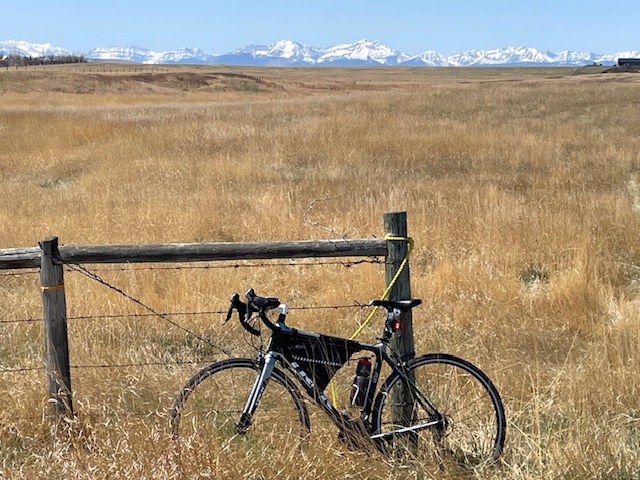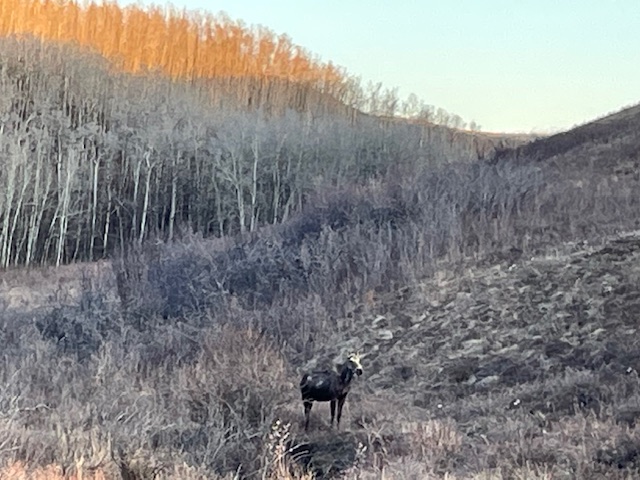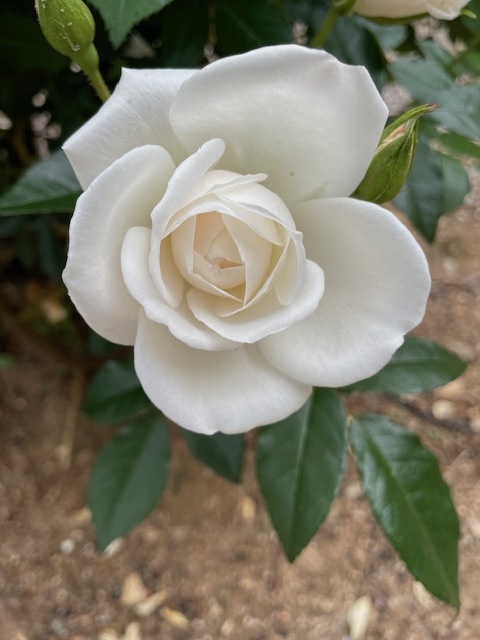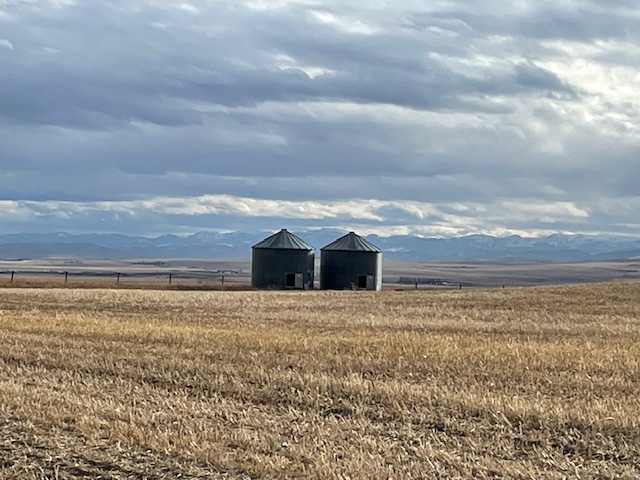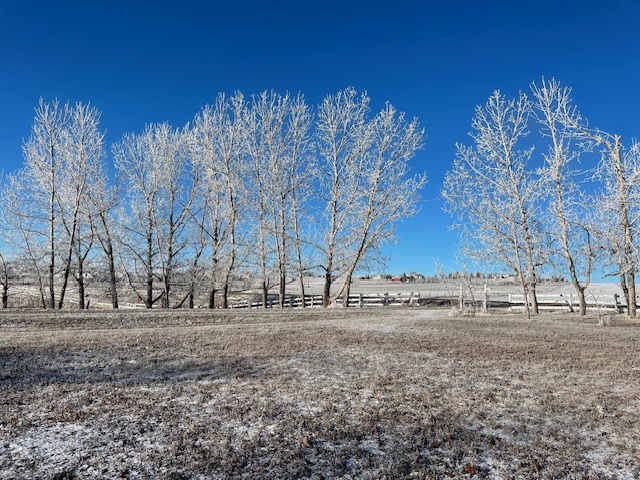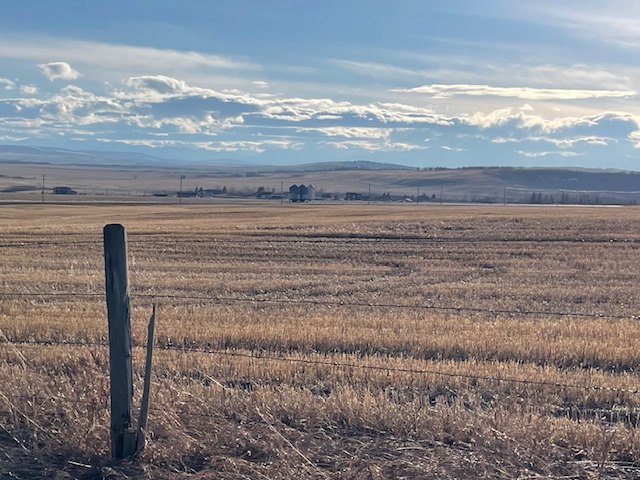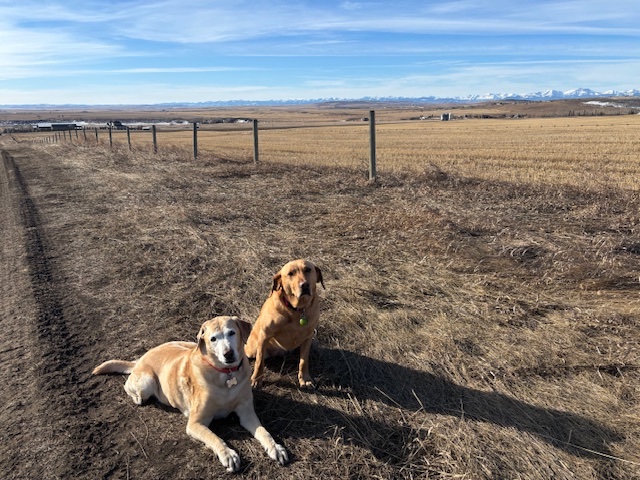
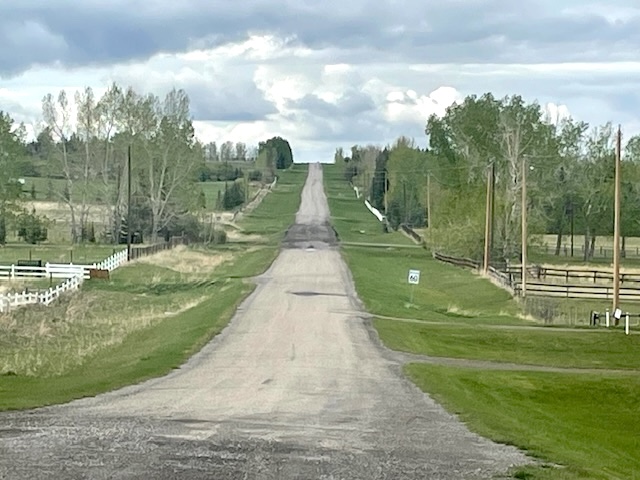
Hi all. How’s your week been? I arrived home from California on Tuesday evening and have been trying to get back into things here though the weather has been pretty rainy. You can see in the photo it’s making everything green on our street, which is great, especially for the drought. We will start planting our vegetable garden this coming week once the sun peeps out again. Leaving California was a bit bittersweet, but my Dad’s work friends put on a nice life celebration for him and there was a good-sized gathering. I’m not sure I will be visiting the Golden State as much anymore, though I still have two siblings who live there so I’m sure I will visit sometime.
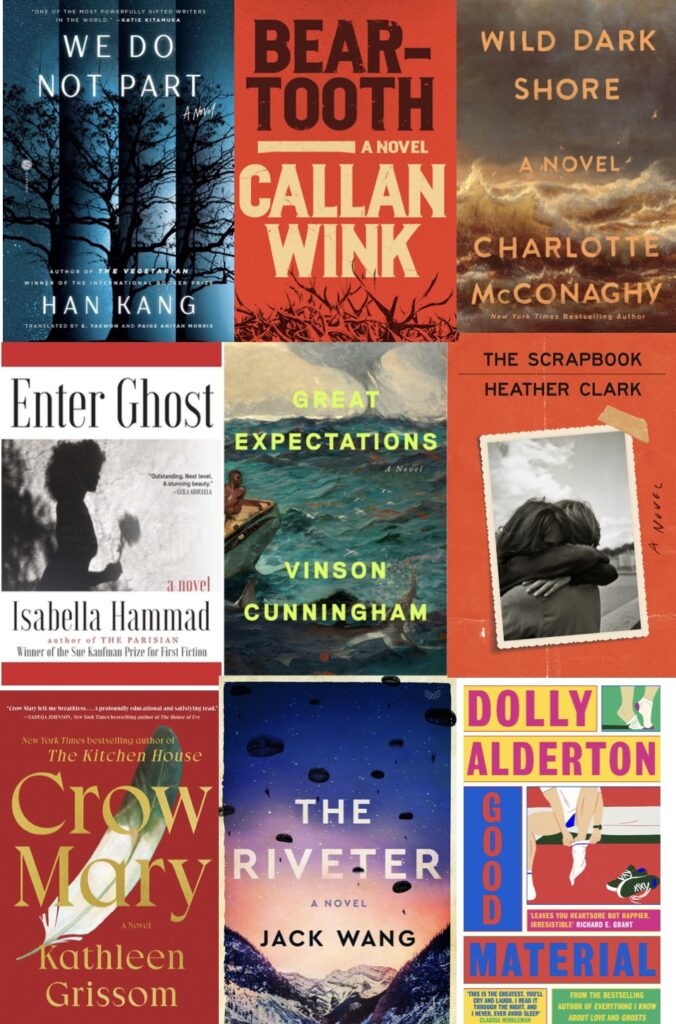
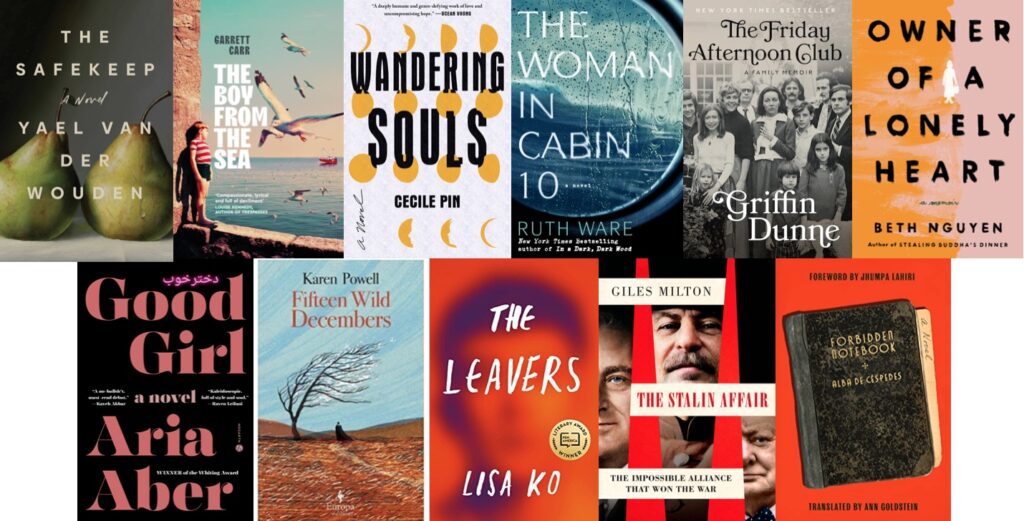
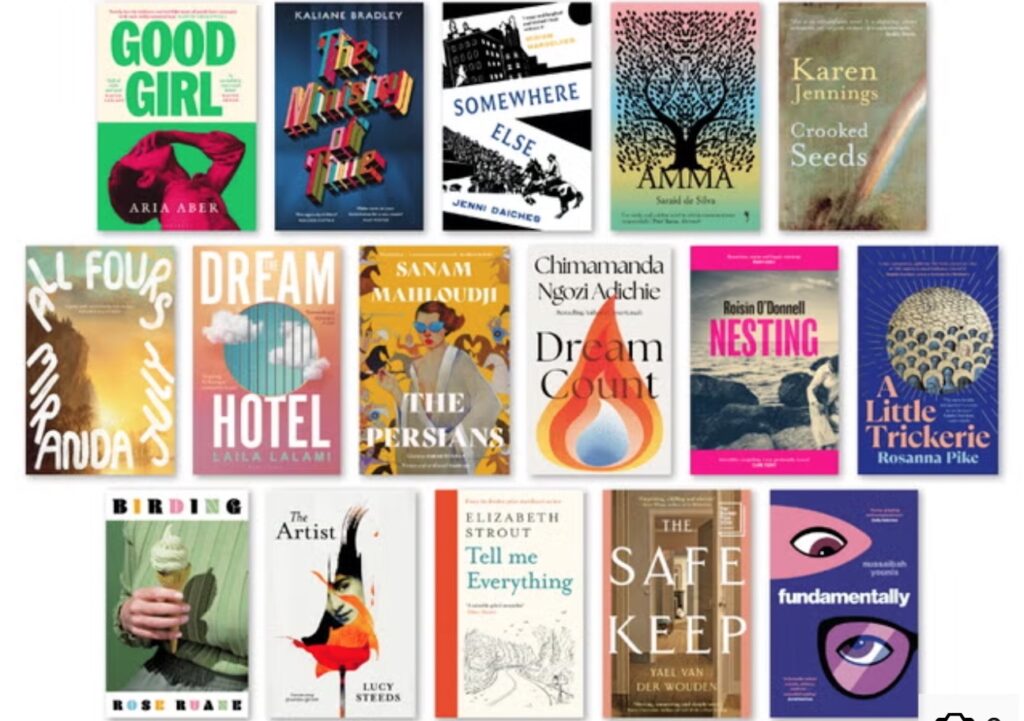
It so happens that Memorial Day weekend is coming up and that means summer is around the corner. I noticed I put out my Summer Reading List last year on May 23, so I’ll be thinking this week about which books I want to read this summer and if I want to make my 2025 list 10 or 15 books. I usually sneak in several other books during the summer, so I don’t want to load my list up too much. Last year I read 11 out of 15 on my list, so I’m leaning towards a list of 10. What about you — do you like summer reading lists? And do you plan to make one? This year Emma at the blog Words and Peace and Annabel at AnnaBookBel are hosting the Summer Challenge, so see their blogs if you want to sign up. Many are going for a 20 book list! It’s always fun to see what others have on their lists and to make one’s own. Stay tuned next weekend when I reveal mine.
And now I’ll leave you with a couple reviews of what I finished lately.
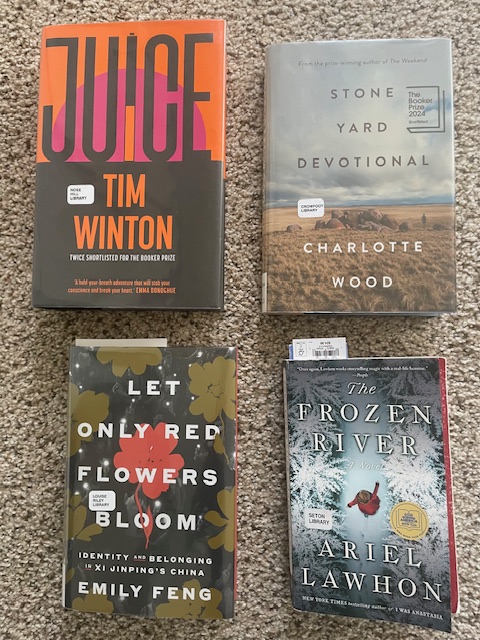
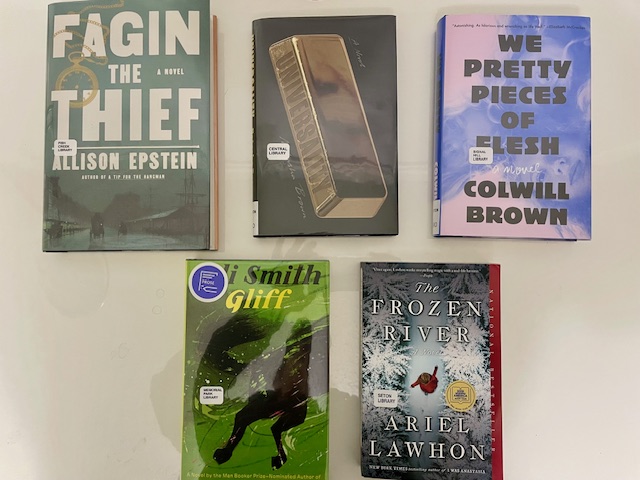
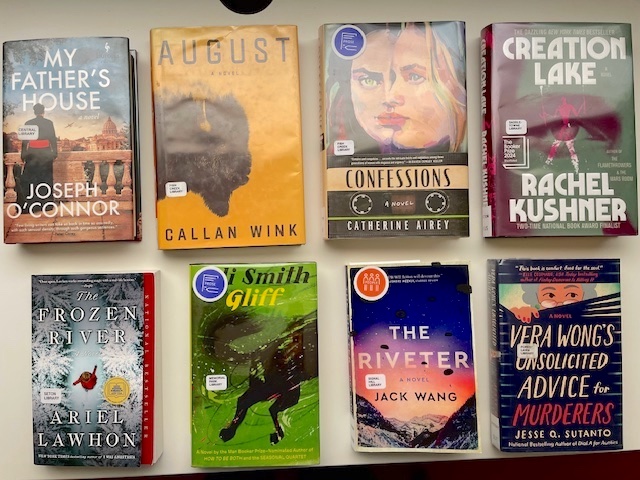
The Frozen River by Ariel Lawhon / Doubleday / 448 pages / 2023
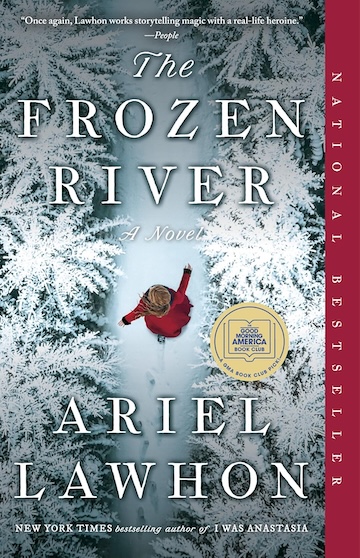
4.3 stars. This historical novel was on my summer reading list last year and I’m glad I finally got to it. Some call it biographical fiction since it’s about the real life of midwife Martha Ballard in 1789 Maine and how she gets caught up in a murder trial and investigation. The storytelling captured my imagination and was as easy to get into as ice cream on a hot summer day. It didn’t take long before I was a part of its small town and saw the river that was frozen the day Joshua Burgess’s body was pulled from it.
Midwife Martha, age 54, hasn’t lost a mother in all of her days delivering babies but now she’s dealing with a pompous new male doctor in town who’s wrong about his diagnoses and circumstances that tell her that Joshua Burgess, accused of a recent rape, was hanged before he was thrown into the water. Burgess and his friend Judge North were accused of rape by Rachel Foster months earlier, whose injuries Martha saw and tended to. But these crimes still need to be figured out and their perpetrators brought to justice.
You’ll need to settle in for this enjoyable slow-burn read as Martha goes about life with her family, her job delivering babies around town, and trying to connect the dots about who the guilty are. Martha is a likable character, a mother of five (and sadly more deceased), and is a strong lady for those times. Her horse Brutus gets where she needs to be, while husband Ephraim is a supportive partner, and her own kids might know more about the accused than she wishes.
Also a bit of Martha’s backstory is revealed intermittently in chapters, while chapters in the present deal with the ongoing murder case and the tough lives of women back then. You might not want to birth a baby for a while after this story, lol … but the storytelling delivers a compelling tale surrounding midwife Mary’s life. The Author’s Note at the back is interesting too to note how she came across this historical figure and which parts she wrote were real and which fiction. I look forward to seeing what the author writes next. Her books are mostly biographical/historical fiction and I’ve been digging those lately.
Trust Her by Flynn Berry / Viking / 304 pages / 2024
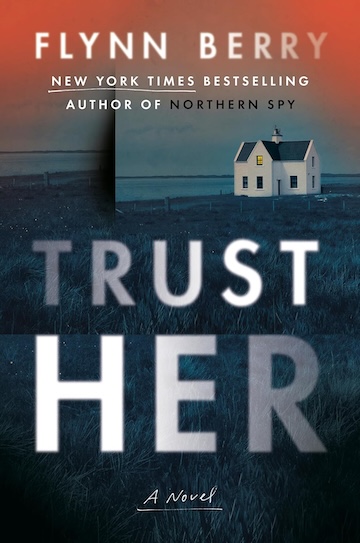
4+ stars. This suspense novel takes place three years after what happened in Flynn Berry’s earlier book Northern Spy … in which the two Northern Irish sisters Tessa and Marian Daly barely escape the IRA for informing. Now they’re living secret lives in Dublin until one day they’re discovered and an IRA member comes knocking and wants info from Tessa and for her to turn her previous MI-5 handler, or lose everything. Uh-oh. All the while, Tessa’s a divorced single mom trying her best to keep her four-year-old son Finn’s life out of this and safe. Then her sister goes missing on a hike and things turn topsy-turvy.
I liked this one considerably better than Northern Spy. It has more action and more twists and turns. It’s downright scary near the end. Trouble certainly finds these two sisters! You’ll want to shake them and second-guess their decisions. It’s squirm-worthy whether they can get out of the mess they find themselves in… caught between the IRA, Tessa’s former handler, and a police detective determined to uncover something. It didn’t feel certain whether lies or the truth would help Tessa better keep them out of danger …. and death always seems imminent. Kudos to the author for this lively dilemma and plot, which I listened to as an audiobook. I gather this will not be part of a trilogy with the Irish sisters but just a sequel. Still I’d be curious what happens to the sisters next … should the author change her mind for Part 3.
That’s all for now. What about you — have you read these and if so, what did you think?