
Summer is winding down (just two weeks left till Labor Day weekend, ugh) but not before I finally saw the biggest blockbuster of the season, “The Dark Knight Rises.” Initially I was going to see it opening weekend but then the terrible shootings happened in Aurora, Colorado, and I didn’t feel like it anymore. It was just on a lark that we went last night.
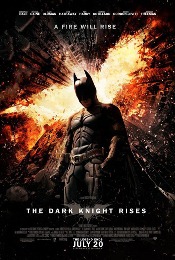
I enjoyed the movie; it held me — lots of action of course and a large cast with various well-known actors. The bad guy Bane is pure evil, and it gets pretty creepy and definitely dark. Bane’s troops take over the stock exchange and cut off Gotham City’s island, occupying it and putting the elite before a judge to be exiled or killed. The film’s scriptwriters definitely seemed to forsee or be commenting on the Occupy Wall Street movement. Even the wealthy Bruce Wayne loses everything.
There’s quite a few references to what happened in the prior “Dark Knight” movie from 2008, which I couldn’t remember very well. All I recall from that unfortunately was Heath Ledger as the joker with smired makeup and the car chase scene under the bridge. But Maggie Gyllenhaal as love-interest Rachel doesn’t fare too well in it and that bums out Batman/Bruce Wayne, who has to come out of reclusion in this flick before it’s too late for his beloved Gotham.
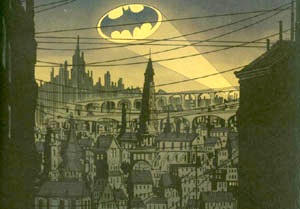
I liked “The Dark Knight Rises,” but the hubby apparently did not. I think he thought the script’s twists got pretty ridiculous toward the end as well as Anne Hathaway’s overarching role as Cat Woman. True, everything got a bit thrown in like the kitchen sink in this last Batman with director Christopher Nolan and Christian Bale. But the Caped Crusader and action and stunts pretty much held me on my seat’s edge. I’m no expert on the franchise or comic strip, but I thought it was better than the last one, and perhaps the others as well.
On Thursday, we fly off for our summer vacation to Lake Ontario. I will be bringing various reading materials, and it should be a nice time for one last summer hurrah.