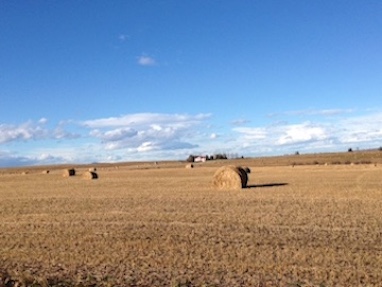
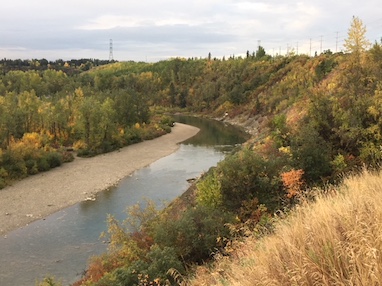
Ahh fall is here. Tomorrow we might even see some snowflakes, which is pretty crazy for September. Meanwhile those on the southern East Coast are about to get battered by Hurricane Florence. Yikes, stay safe everyone. I remember Hurricane Isabel when I was living in Virginia in 2003. I think I was without electricity for a week and the refrigerator had to be emptied. Tree branches were all over the place. This latest hurricane looks like much the same kind of trouble. The amount of water is intense. Be sure to have candles, flashlights, bottles of water, and of course a good book.
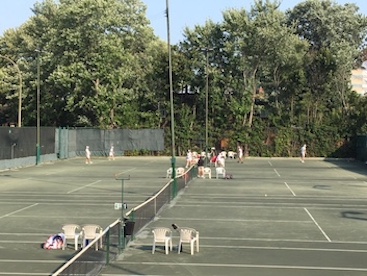
My reading the past couple months has not been speedy or very much, but luckily I completed a couple good books at the end of August, which I’m still thinking about. First off, when I was in Montreal for the tennis tournament I was loaned a book by a tennis friend who said “here read this.” Little did I know it would eventually blow me out of my chair — ha, but it did.
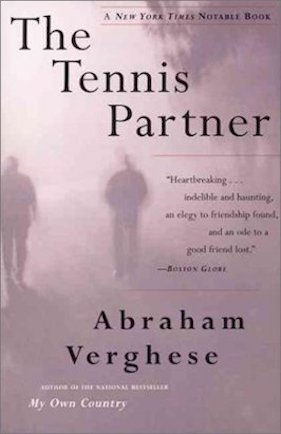
“The Tennis Partner” is an autobiographical memoir written by Abraham Verghese almost 20 years ago in 1999. You might know the author from his bestselling 2009 novel “Cutting for Stone.” Well this book was written when Verghese was a doctor practicing internal medicine in El Paso, Texas, in the 1990s. It’s about his friendship with an Australian medical resident he was mentoring there named David and the bonds they shared over playing tennis and their work at the hospital. During this time, Verghese, a father of two boys, is going through a divorce and David is trying to overcome his past problems with drugs. Uh-oh. But as it starts he’s been clean for over a year and is on the verge of becoming a very talented doctor.
Tennis seems to be both doctors joy and release from all the pressures at the hospital, and part of the memoir includes tidbits about tennis playing and strategy, which as a player I loved. Verghese is truly a fan of the game, woohoo. But the book is also more than that. It’s about those days in El Paso and what happened in their lives at the hospital and off, and how his close friend David’s life spiraled out of control. For anyone, who has had a loved one or friend, or relative go through addiction, you will know the experience and shattering nature of this story. It reminded me of a dear friend I knew from work. “The Tennis Partner” is a moving, heartbreaking book — a true ode to friendship — and not something I will soon forget.
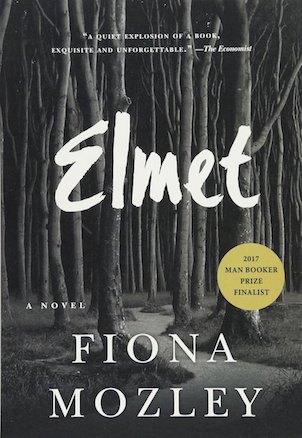
Next up, turned out to be one of my favorite novels so far this year. “Elmet.” Who knew?! I surely didn’t expect much when I picked up this debut novel as an audiobook listen, but wow now I can see why it was shortlisted for the Man Booker Prize in 2017. Half way through I found myself asking: who the heck is Fiona Mozley?! Apparently she’s just another talented British author.
I think it was the book’s narration that caught me up mostly. The story is told by a teenage boy named Daniel, who is living with his older sister Cathy and his “Daddy” in a house in the Yorkshire woods that his father built them with his own hands. They don’t have much — Daddy makes do with odd jobs and as a fighter — but they are a close-knit family, enjoying their solace and existence amid the woods. The kids had once gone to school but they didn’t fit in and were picked on, keeping now mostly to the bonds with each other and the nature in the woods.
The story, which starts with a huge fire, goes back and forth in time to tell of their lives. And you know from early on with the fire something has gone terribly wrong, but you only begin to piece it together over time with the boy’s telling. It’s midway through when you learn about this villainous local landowner and his two entitled sons who try to uproot the family, getting them embroiled in a bitter land dispute. Daddy finally agrees to a fighting match deal for the property, but then something occurs that alters the family’s future. It’s best not to say too much more, other than to say the story gets suspenseful and turns quite violent and the ending is quite a whopper.
“Elmet” is intensely told and the descriptions of the settings and amount of feeling in the story are terrific. Publishers Weekly calls it a “rugged, potent work whose concentrated mixture of lyricism and violence recalls Cormac McCarthy.” Hmm, that’s not half bad for a debut author.
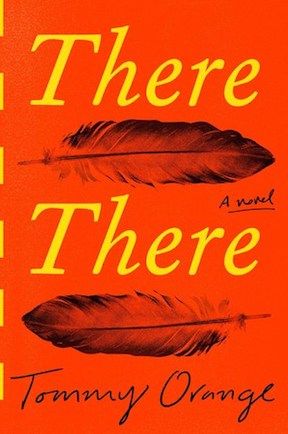
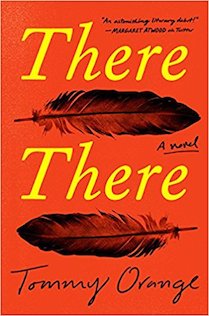
Lastly, I also listened to the audiobook of Tommy Orange’s highly acclaimed debut novel “There There,” which tells the story of 12 Native Americans (some related) in Oakland, California, as their lives collide in the days leading up to the city’s inaugural Big Oakland Powwow. It’s a large cast, but the storytelling is quite fresh and compelling as it delves into the characters lives, all of whom seem to be struggling with a combination of poverty, alcoholism, depression, or abuse. A few of the female characters’ lives — those of Blue, Opal, and Jacquie — are particularly well told and drew me in from the get-go. Others took more time.
It’s a story that tells about the urban Native American experience. I liked its connectedness — how the characters became linked with each other in the plot along the way, which was pretty cool. But although I liked hearing about the various characters, who alternate throughout the story, I found I lost track of some of them. Perhaps I would have liked a more pared down cast, and maybe too a different ending. Instead of what happens at the big powwow event, which is quite traumatic with a capital T … what if it didn’t happen that way and instead affected their lives differently? That’s what I kept thinking. What if the characters flourished in new ways from their connections at the powwow. Ahhh, but no! Instead it felt like a knife into my back.
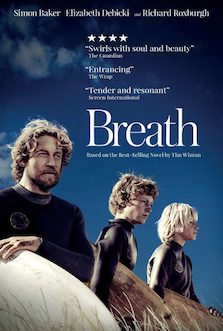
That’s all for now. I was going to talk about seeing the romantic comedy “Crazy Rich Asians” on the big screen and the coming-of-age story “Breath” on rental, but I think I’ve run out of time here. Suffice it to say, I enjoyed both.
What about you — have you seen either of these movies, or read any of these books, and if so, what did you think?