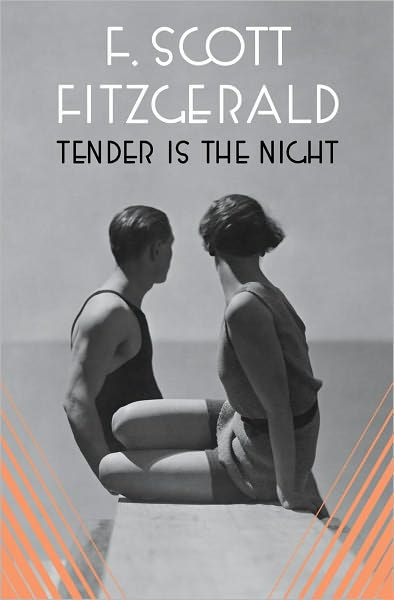
Looking back on 2015, I had quite a good reading year. While my stats below don’t seem that impressive, I was happy with the quality of books and the array of literary gems I found. I’ve never been a speedy reader, I like to mosey and hold on to books that I’m reading for a while, dreaming about their worlds and narration, noting passages I like etc. Nor do I rush on to the next book very quickly. I need a down day or so before leaving one behind for the next author’s voice or book’s setting that enters my head. It’s just my meandering way I guess, and I always like to take time to write a review for each book.
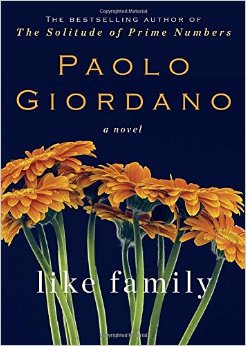
I’m not sure if everyone saw the New York Times article about looking back on the year in book publishing, but I found it pretty interesting. It seems e-book sales surely tapered off this year, which is true for me as I don’t read many e-books compared to regular books, and audiobook sales soared, which is also true for me, since I started to regularly listen to audiobooks for the first time ever. I found them quite nice for dog walks, commuting, gardening, and even doing laundry, though they are a different experience than the process of reading, which is impossible to replace or enumerate all of its magic ways. Anyways, the article also mentions the proliferation this year of coloring books for adults, which is a trend I haven’t understood well or can’t fathom for myself, though they do seem a de-stresser for some. What an odd trend — don’t you think? The rest of the article speaks for itself. Now on to my 2015 stats and book favorites (which weren’t necessarily published in this year.)
44 Books Completed
30 Read books
14 Audio books
11 Nonfiction
33 Fiction
25 Female Authors
19 Male Authors
My Top 5 Favorite Nonfiction Books in 2015
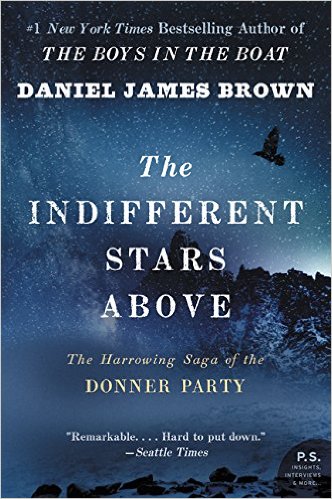
The Indifferent Stars Above: The Harrowing Saga of the Donner Party by Daniel James Brown
My Salinger Year by Joanna Rakoff
Between You & Me: Confessions of a Comma Queen by Mary Norris
On the Move: A Life by Oliver Sacks
Lean In: Women, Work, and the Will to Lead by Sheryl Sandberg
My Favorite Novels in 2015
The Enchanted by Rene Denfeld
Station Eleven by Emily St. John Mandel
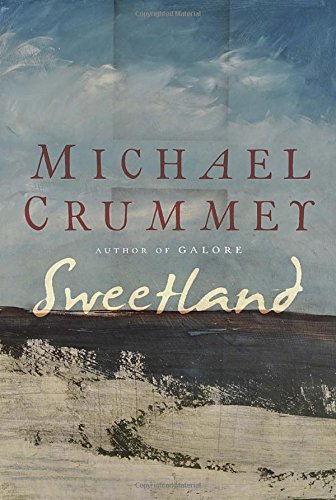
Sweetland by Michael Crummey
Euphoria by Lily King
All the Light We Cannot See by Anthony Doerr
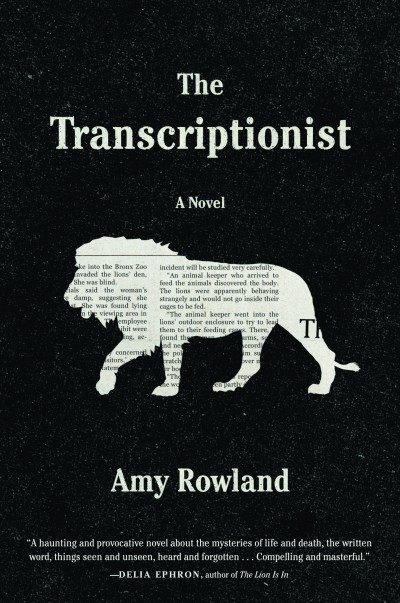
The Transcriptionist by Amy Rowland
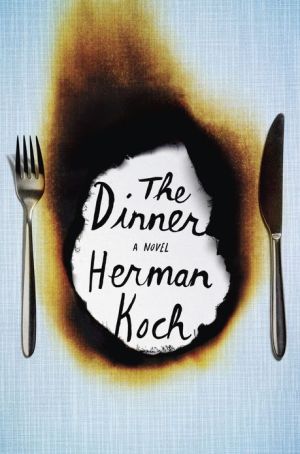
The Dinner by Herman Koch
Everything I Never Told You by Celeste Ng
The Dog Stars by Peter Heller
My Sunshine Away by M.O. Walsh
Circling the Sun by Paula McLain
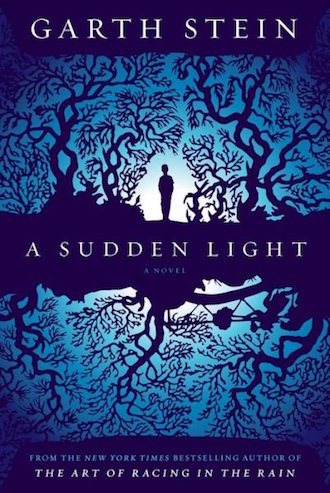
A Sudden Light by Garth Stein
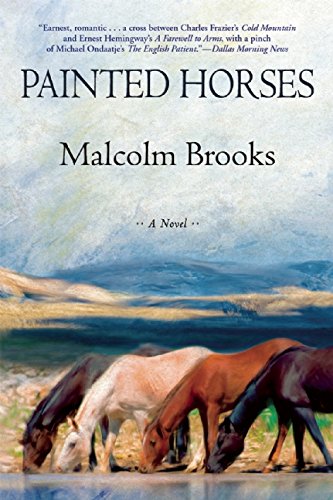
Painted Horses by Malcolm Brooks
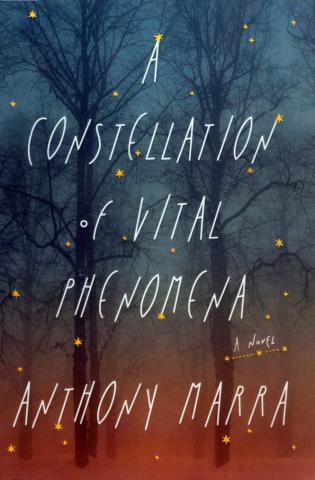
A Constellation of Vital Phenomenon by Anthony Marra
Stoner by John Williams
The Secret River by Kate Grenville
The Jaguar’s Children by John Vaillant
Long Man by Amy Greene
As for my rating of movies below: 3 stars means they were pretty good in places; 3.5 star movies are ones I found quite enjoyable; 4 stars means there was something special about the movie, and 5 means there’s various things I found that made it one heck of a film. I plan to see more movies that are nominated before the Academy Awards airs on Feb. 28.
Notable 2015 Movies I’ve Seen:
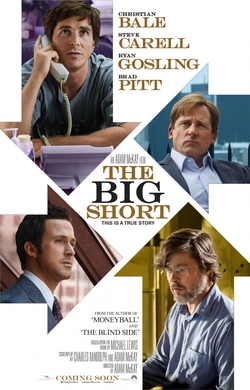
The Big Short (5 stars)
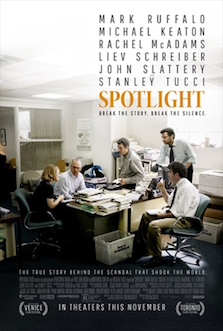
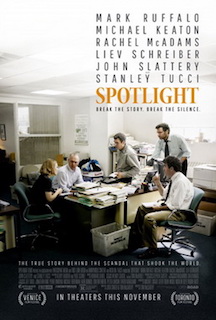
Spotlight (4.5 stars)
Steve Jobs (4 stars)
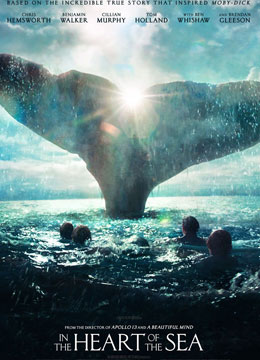
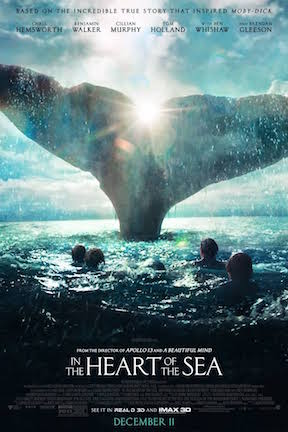
In the Heart of the Sea (3.5 stars)
Brooklyn (3.5 stars)
The Martian (3.5 stars)
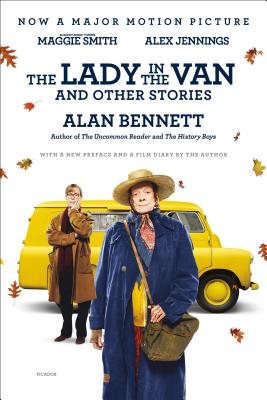
The Lady in the Van (3.5 stars)
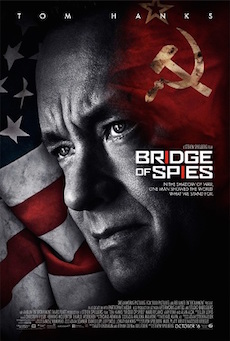
Bridge of Spies (3.5 stars)
I’ll See You in My Dreams (3.5 stars)
Woman in Gold (3.5 stars)
While We’re Young (3.5 stars)
The Intern (3.5 stars)
Ex-Machina (3 stars)
Trainwreck (3 stars)
Remember (3 stars)
Z for Zachariah (3 stars)
Clouds of Sils Maria (3 stars)
Mad Max: Fury Road (3 stars)
Notable 2015 Movies I Have Not Seen Yet:
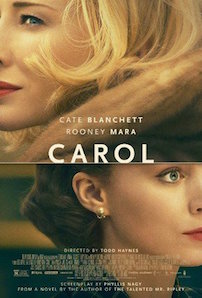
Carol
The Revenant
Room
45 Years
The Danish Girl
Concussion
Son of Saul
Youth
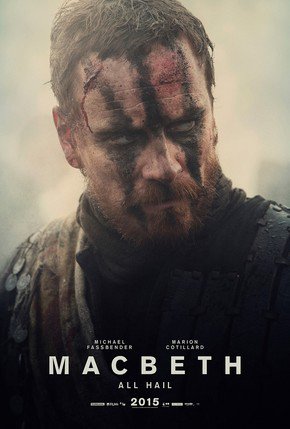
Macbeth
Learning to Drive
Suffragette
Far From the Madding Crowd
Lastly, below are albums I liked this past year. I guess the genre I generally listen to these days might be labeled adult alternative or folk/country rock or whatever else have you. Three of the ones below are from Canadians so you might not recognize them; I never did before moving here.
My Favorite 2015 Albums
Coldplay’s “A Head Full of Dreams”
Brandi Carlile’s “The Firewatcher’s Daughter”
Glen Hansard’s “Didn’t He Ramble”
Tobias Jesso Jr.’s “Goon”
Jason Isbell’s “Something More Than Free”
The Weather Station’s “Loyalty”
Great Lake Swimmers’ “A Forest of Arms”
Rhiannon Giddens’s “Tomorrow Is My Turn”
Alabama Shakes’ “Sound and Color”
Florence and the Machine’s “How Big, How Blue, How Beautiful”
Noel Gallagher’s High Flying Birds’ “Chasing Yesterday”
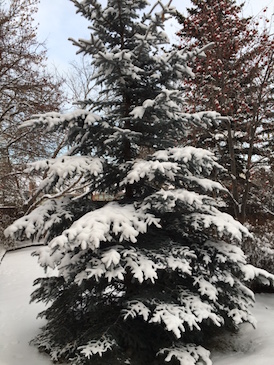
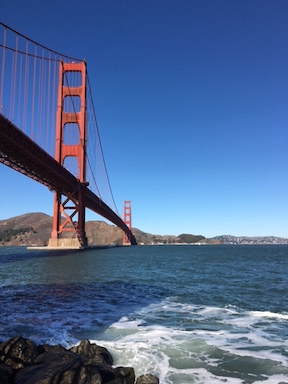
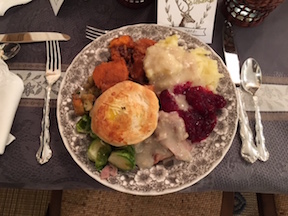
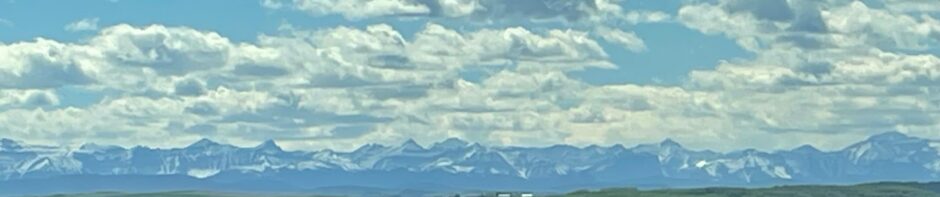
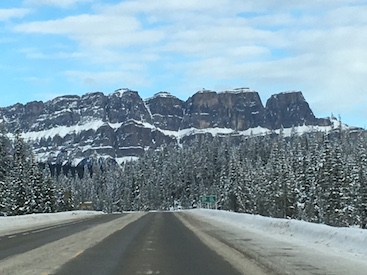
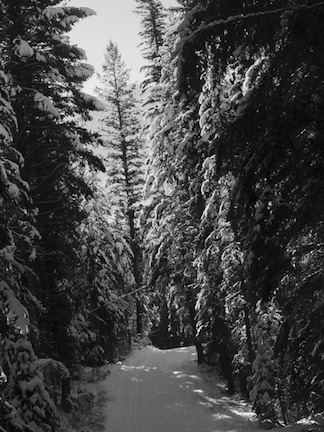
How about you — are any of my favorite books, movies, or albums from this year — ones that you have liked as well? Or would you suggest others? (As for the photos above, they were taken over the weekend when we went to the mountains to go skiing.) Here’s to more good releases in 2016!